
So, Destiny 2 is dying and it might take most of Bungie with it. I have spoken at length about how a continued prioritisation of the bottom-line over a loyal playerbase, and forward-thinking staff, has ravaged the very soul of the game. For many of us the writing feels like it’s been on the walls since as early as 2023. Destiny 2 has not been the game I fell in love with for years now, yet news of its demise left me feeling rather sad.
In fact, I think I’m mourning it. That might sound dramatic, but this series has been a consistent part of my life for over a decade now, outliving romantic relationships, friendships, houses I’ve lived in, pets I’ve had, and more in the meantime. And looking back at the highest highs, and lowest lows, I think the story of Bungie and Destiny 2 actually acts as something of a microcosm for this strange terrain we find our industry in as we navigate 2026 and beyond.
My first interaction with Destiny was back on the PlayStation 4, in mid-June 2014, downloading the alpha test immediately following its marquee reveal at that year’s E3 (rest in peace). As a Halo sicko and wannabe pro in my University days, I was immediately hooked. Halo shooting with damage numbers? A curious sci-fi-fantasy mash-up set in the haunted ruins of a galactic civilisation? Peter Dinklage giving Shakespearean pomp to some of the most egregious lines you’ve ever heard? What’s not to love?
I’d never really been a social gamer: before Destiny, the extent of my gaming camaraderie was with my PvP teammates (often passing alliances) and a couple of vagrant nerds I’d chat to in the lobbies of unpopular fighting games. But Bungie’s vision of a ‘massively multiplayer first-person shooter’ – or MMOFPS, if you want to be unwieldy about it – scratched an itch I didn’t even know I had. Suddenly, I was in a fireteam with dear friends, staying up until the silly hours of the morning just to squeeze in one more Strike, or cheese Atheon in Vault of Glass one more time. I even hauled a TV and my PS4 to a friend’s house for a weekend to play Destiny 1’s House of Wolves DLC when it first came out, because the internet in my flat was too flaky to rely on.
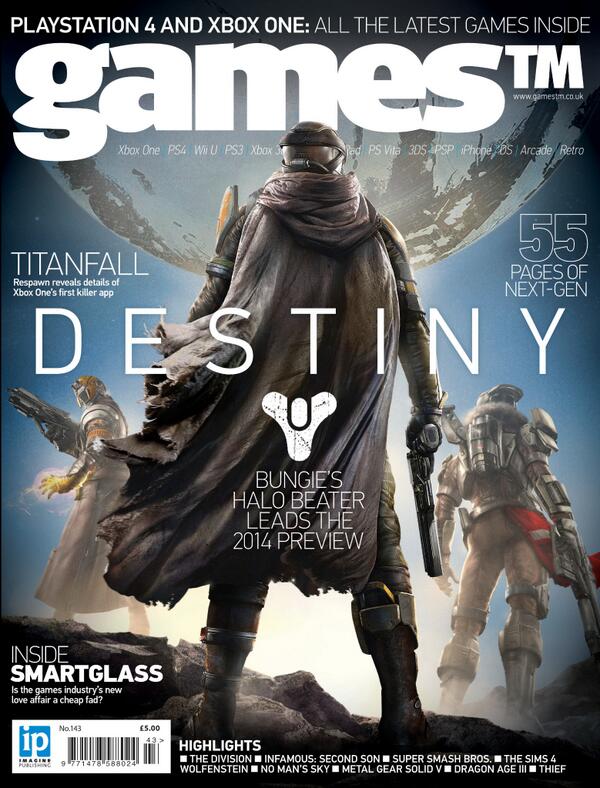
In the following years, Destiny would be a huge part of my life and, yes, even my job. One of my proudest achievements is writing a cover feature for the game in my (very old) haunt at games™ magazine (pictured). There was a solid contingent of us at the publishing house that idolised Destiny like it was a religion. For a while it was all many of us could think about. Between 2014 and 2026, the duology has eaten up over 700 hours of my life. That’s about a month solid.
As the game aged, it became apparent that Bungie planned to replace the title with Destiny 2, a controversial proposition for everyone that hunted down all the exotics and overcame all the pinnacle challenges. I was dubious, but also hopeful: by then, issues with the game engine were common knowledge, and the tension between Bungie and Activision was starting to surface (the latter had, after all, spent $500m on the project by that point). Feelings were mixed even at the launch of the sequel, with many players accepting the new world state Bungie had forced on us all, but pining for the old one all the while.
Destiny 2 was hobbled from the start, then. And if you’re launching a game into a world where even your most loyal fans are asking you to justify your existence, it is going to feel like an uphill battle from the start. Things didn’t settle post-launch, either: there were criticisms about what was actually available to play when Destiny 2 launched in September 2017, and the following DLC drops (Curse of Osiris in December 2017 and Warmind in May 2018) didn’t exactly enthuse players.
Nor was I captivated. I went from a loyal, daily Destiny player to someone that would only boot the game up for an evening or so on Tuesday’s ‘weekly reset’ – hoovering up quests and turning in bounties, and then putting the game down until the following week. Thus began what, often, felt like a second job: a game I was duty-bound to play, rather than something I wanted to. It didn’t help that I was covering the damn thing for a living; my relationship with Destiny became symbiotic, codependent.
But then came Forsaken. Ah, what a turnaround! It felt like ‘classic Destiny’ was back. And it only took a year! Year 2 of Destiny 2 felt as refreshing as a pre-moistened towelette on a long-haul flight; the story took on this peculiar ‘Galactic Western’ theming, foundational changes were made to the gameplay, and we got Gambit. Gambit! I am guessing that about 50 percent of my time in Destiny overall has been in PvP. Yes, I know, I’m in the minority. But my adolescent dreams of being a Halo Pro never really died, and the labyrinthine maps of D1 and D2 felt like a hunting ground for me. I still cherish my old Monte Carlo assault rifle – unpopular even at its peak, but utterly busted if you rely on a ‘Warlock slap’ and blatant disregard for other players’ personal space.
As much as I adored PvP, Gambit was something else entirely: combining PvE and PvP and offering great rewards for players insistent enough to put the work in, I think this mode was the foundation for Bungie’s long-expected revival of the Marathon franchise. You can see the bones of Gambit in Marathon right now (though I wonder how that will all play out as the developer seeks to appeal to the more casual market by watering down the game’s difficulty and PvP aspects…).
Forsaken into Shadowkeep (2019) were the highlights of Destiny 2 for me. The best of the best. And yet there was always a part of my brain that whispered ‘it’s not as good as the first game‘. The cumulative time I sunk into the sequel clearly indicates I didn’t listen to that voice; I probably had more time in Year 3 and Year 4 (with the Beyond Light expansion kicking off the game’s 2020-21 era) than I did at any other point in my Destiny career. But things were about to get ugly.
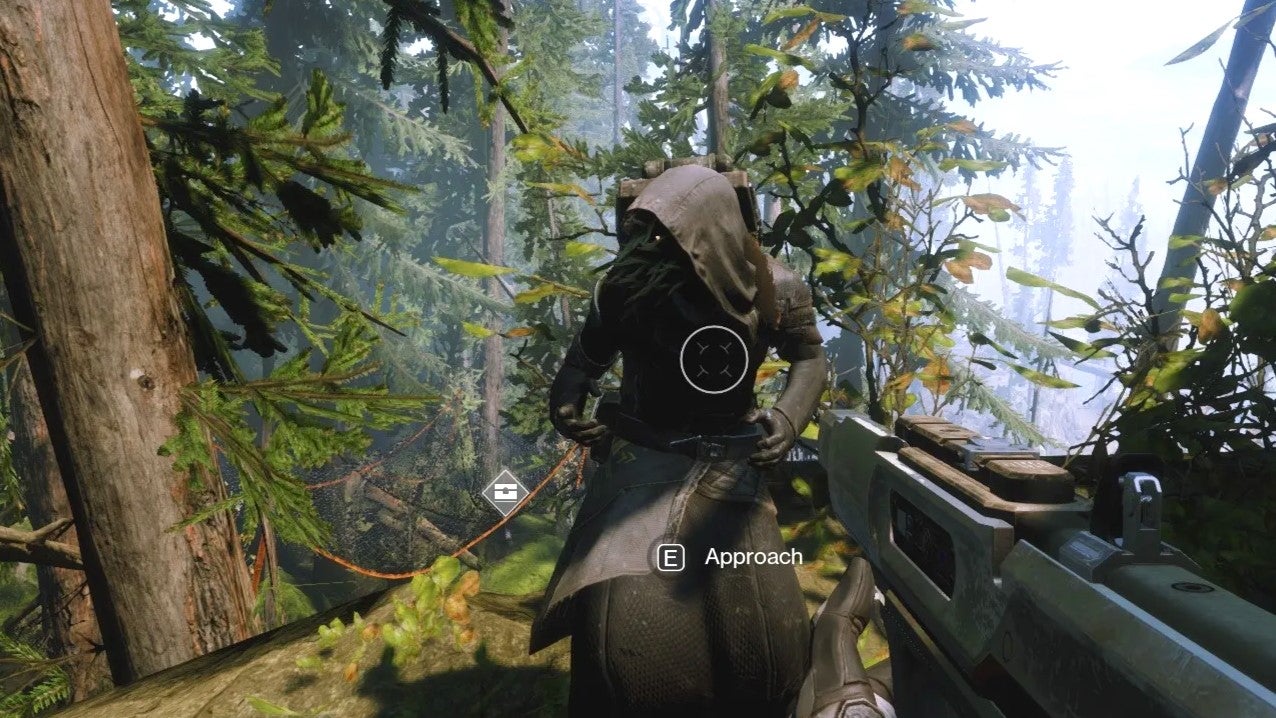
Starting in 2020, Bungie announced it would retire older, less ‘actively-played’ aspects from the live game into its now-infamous ‘vault’. It took two years for the developer to reverse this disastrous policy, and it’s something you’ll still hear people bring up to this date when you mention D2, even in passing. To this day, you can still play Shadowkeep, Beyond Light and The Witch Queen – the former surviving by the skin of its teeth. But the original Destiny 2 campaign (you know, the one it shipped with) and the first few DLCs were long dead by that point.
Even the paid Forsaken expansion got banished to the virtual shadow realm during this era, and that’s often cited as the ‘point of no return’ for many fans. The vaulting, and Bungie’s belligerence around it, was seen as a betrayal. And I don’t think the game ever really recovered. In fact, the removal of the Red War campaign even came back to haunt Bungie in 2025 when a writer who claimed he published a sci-fi story that Bungie copied took the matter to court. The matter was settled, quietly, out of court in the end.
From there, my experience with Destiny 2 continued fairly unremarkably. I think the game was at its creative peak between Forsaken and The Witch Queen – which I actually think was the best FPS campaign of its era, all-around – and from then on, it all just felt a bit naff. Even the game’s most prominent community leaders were turning against Bungie by this point. I could forgive some aspects (the final boss and the ‘Vex washing machine’ notwithstanding), but I draw the line at that feckless idiot, Nimbus, possibly the worst NPC in the whole 12-year-old canon. A series that once prided itself on busy, intriguing planets and sandboxes pored over by creators at the top of their game now presented us with, what? Neomuna: a deserted tech demo of a level where the lights are on but no-one’s home, feeling more like Canary Wharf running on a PlayStation 3 than a location in a sci-fi space opera.
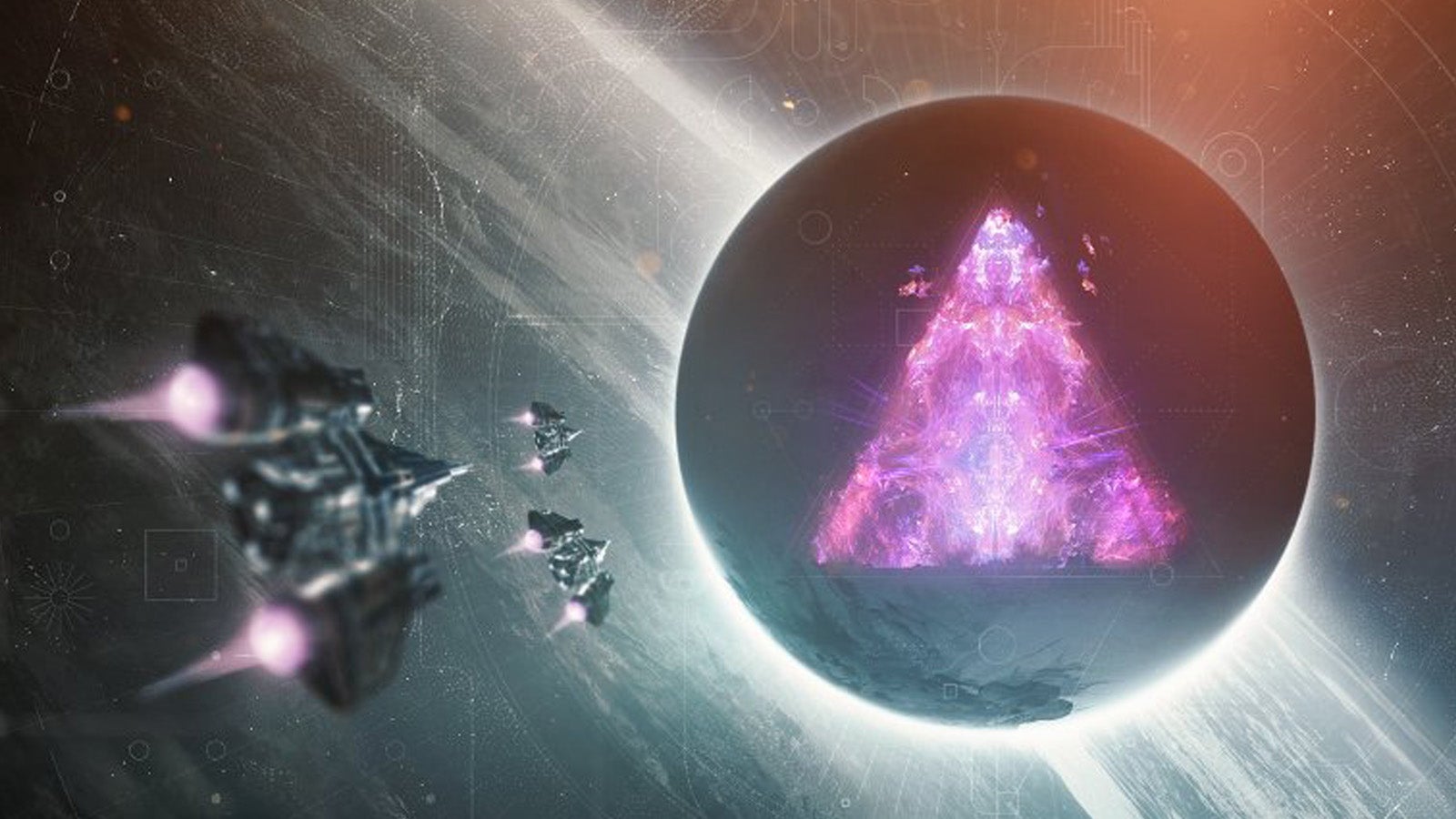
At least Bungie stuck the landing, I guess. The Final Shape was a content drop a decade in the making that, despite stuttering at points, achieved the impossible and wound most narrative threads that had been teased out in the interceding 10 years. But with a core audience already in active rebellion, a consistently declining playerbase, and the beginning of a long campaign of layoffs and redundancies, it felt like Destiny 2 already died for the first time back in 2024. Like all of us Guardians relying on our ghosts, it’s been on borrowed time since.
I will log back into Destiny 2 to see it off. I want to see the Tower again, take my Warlock on one last victory lap of the solar system and see how things stand as Bungie gets ready to move its opus out to pasture. I anticipate many fallen Guardians will join me, one last time, and remember how good things used to be.


