
In the open-world RPG genre, there’s absolutely no shortage of really long games that can stretch for weeks, if not months, for the average player. From Elden Ring to The Witcher 3, everyone knows their own favorites. The genre naturally invites you on an epic journey across vast worlds packed with optional quests and side activities, so it’s probably more unusual to discover a game that can be completed in just a few days.
For this selection, though, we won’t be focusing on classic “longest open-world RPGs” that you can play for hundreds of hours simply because their maps are huge and there are tons of quests to tackle (for the most part, at least). Instead, let’s explore a slightly different angle: games that give you reasons to stay in their worlds for months, or to keep coming back from time to time thanks to new additions, core systems and mechanics that remain interesting even after several playthroughs, or an open-ended or replayable structure that isn’t driven only by a central narrative.
Even if this metric is hardly the most important for our established longevity criteria, average single playthrough times (rather than completionist runs) are still provided for each title below to give you a quick reference number.
Where Winds Meet
An Ever-Evolving Journey With No End In Sight
- How long on average: 90 hours
For this list, Where Winds Meet represents arguably the most straightforward open-world action RPG, with a recognizable world structure and classic freedom of exploration. Of course, the biggest hook making it suitable here is its ever-evolving free-to-play nature. As the developers have already shown, they can keep substantial new content like Hexi or Hidden Mountain coming regularly. WWM is a game that always gives you new goals to pursue.
Where Winds Meet combines a lengthy story and countless quests to complete, a vast and beautiful open world to explore, seasonal content updates, and ongoing progression hooks, all sprinkled with social elements and replayable activities. The game’s focus on wuxia-inspired combat styles is another rewarding layer, both distinct and visually stunning, while an impressive array of enemies and bosses is ready to put your skills to the test. The game can absorb weeks of your free time without relying solely on its main story, which continues to unfold with new characters, story arcs, and massive regions.
If you’re looking for a huge, modern open-world RPG to return to from time to time over the coming months, or even years, and are willing to spend some time learning how everything works, Where Winds Meet can claim this spot nicely, and it earns some extra points for being free-to-play and therefore particularly easy to jump into.
V Rising
The Ultimate Dark Fantasy Vampiric Dream That Ticks All The Boxes
- How long on average: 70 hours
V Rising is one of the best vampire games of the past few years, if not the best, and an acclaimed open-world RPG-survival hybrid that lets you truly live out your vampire fantasy. Rather than offering a sprawling narrative campaign to enjoy one time, V Rising’s longevity comes from the escalating thrill of exploring its dangerous gothic world and hunting increasingly powerful bosses, unlocking more and more combat abilities, crafting options, and construction layers along the way. Yes, building your base, be it a castle or a lair, is just as important as it is satisfying in V Rising, with tons of customization options at your disposal.
There are many things contributing to V Rising’s extremely absorbing and long-lasting nature: its signature day-night gameplay loop, the constant need to hunt for blood, varied combat-build experimentation through weapons, spells, and abilities, and even the potential to gradually build up your own vampire army, turning victims into servants and sending them out on hunts. The game really ticks almost every box you can expect from its premise.
With all that, a thorough V Rising playthrough can easily creep toward 100 hours, especially if castle-building gets its hooks into you. And even after that, starting over with a completely different build, difficulty, or multiplayer setup can be surprisingly tempting. Brutal difficulty even gives major bosses new tricks rather than simply inflating their numbers, making another journey through Vardoran more than just a repeat of the same encounters. It’ll be interesting to see how the upcoming The Blood of Dawnwalker challenges the title in its own vampiric league.

Click on the game with the higher OpenCritic rating.
Fantasy Life i: The Girl Who Steals Time
Grinding Paradise For Players Who Don’t Mind Repetition
- How long on average: 60 hours
For a vastly different (and, based on its visual style alone, much more approachable) take on the open-world RPG genre with impressive longevity, Fantasy Life i: The Girl Who Steals Time is described by the developers as a “slow-life RPG,” offering 14 Lives that essentially separate combat, gathering, crafting, and other professions. You can freely switch between any of these unique jobs, prioritizing the core experiences you enjoy the most, and even spend long stretches almost entirely avoiding combat if that’s what you’re after.
Sure, Fantasy Life i can absolutely feel grindy and repetitive, but for many players, that’s the appeal. If you care less about the story than about improving and mastering yet another progression layer to gain access to the best materials and high-level gear, there’s always another goal waiting. Better yet, practically everything you collect can be put to good use in reshaping the entire island, from placing buildings and decorating interiors to altering the landscape itself.
The grind doesn’t simply run out once the story does, either. Changing dungeons and a free post-launch roguelike mode give dedicated players even more reasons to keep going. As a result, The Girl Who Steals Time can be incredibly time-consuming in the best possible way—it really can steal your time.
Caves Of Qud
The King Of Procedural Variation And Emergent Systems For Long-Term Play
- How long on average: 80 hours
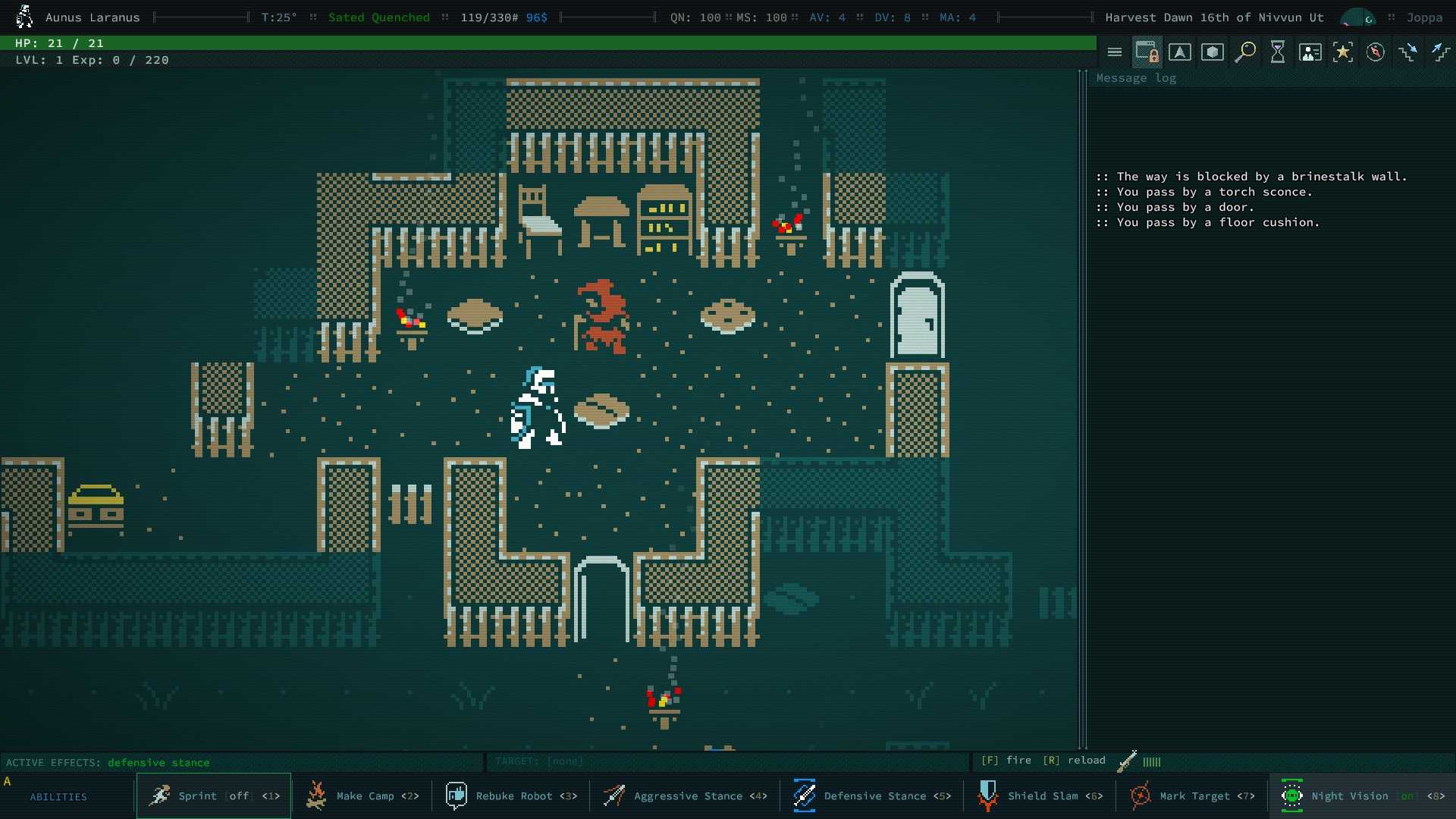
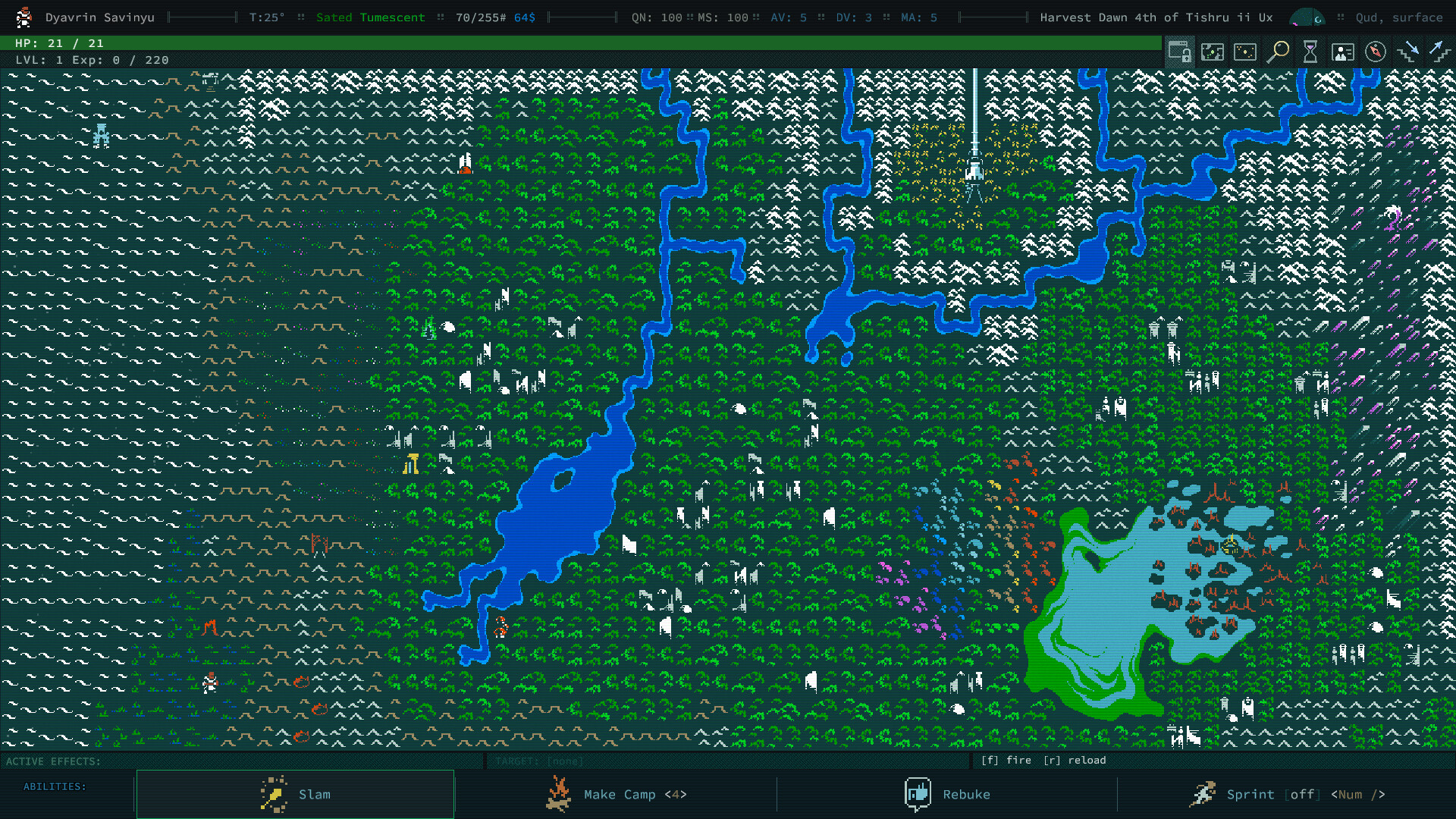
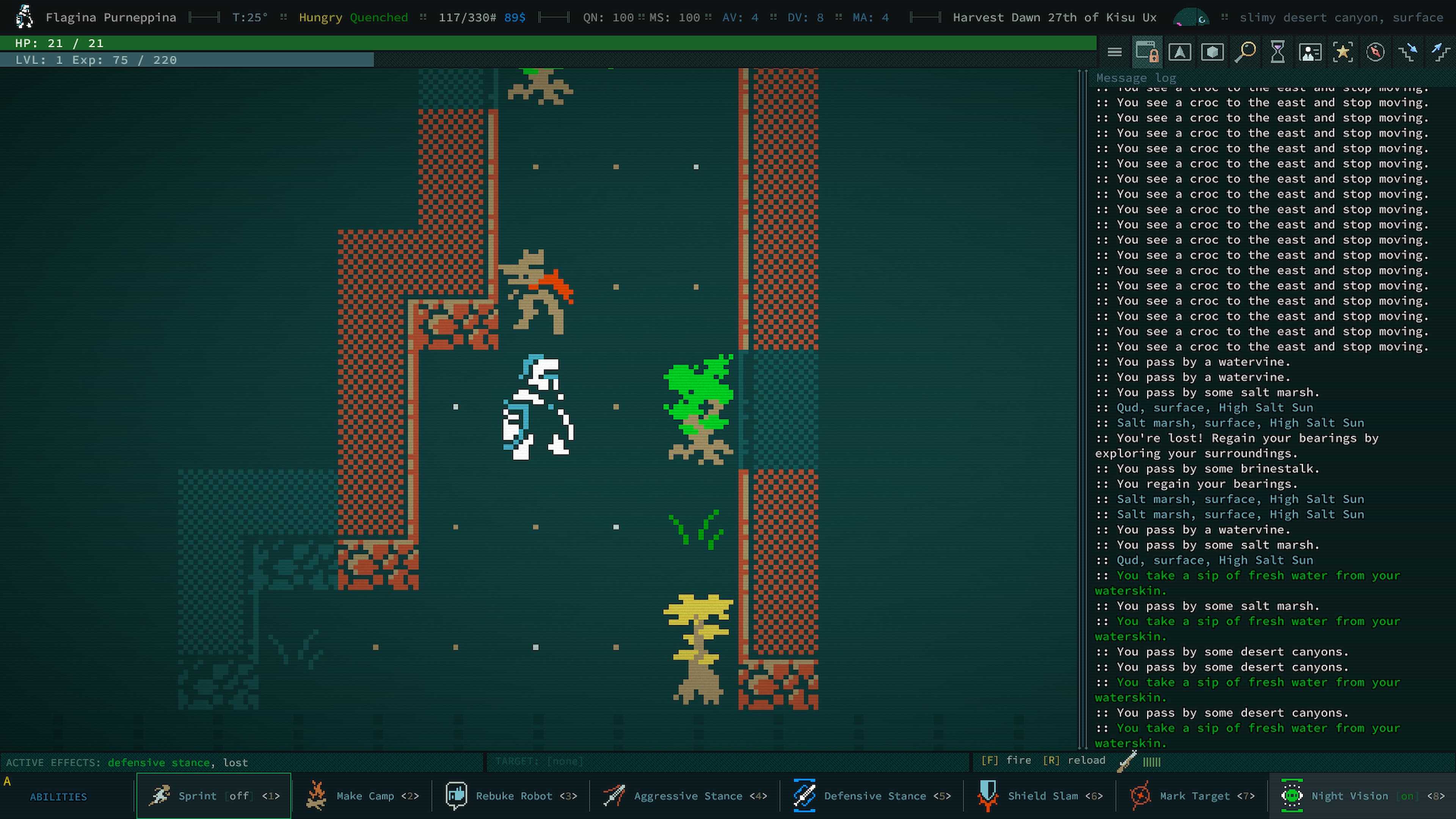
The true king of procedural and systemic replayability, Caves of Qud pushes long-term play to whole new extremes. It isn’t about completing one enormous authored campaign spanning countless handcrafted quests, even though a substantial story is also on the menu. Instead, the game lets you create wildly different characters from over a hundred mutations and cybernetics, then see what happens within a deeply simulated science-fantasy world built on rich lore, diverse factions and reputation systems, and emergent interactions—almost like Kenshi and the very few games like it.
Caves of Qud is a stellar mix of sandbox, roguelike, open-world RPG, and deep simulation, where your next build can fundamentally change how you approach the entire world. A project of truly epic proportions that had been in development for more than 15 years before reaching 1.0, Caves of Qud is one of those rare games where such popular clichés as “living, breathing world,” “fully simulated NPCs,” and “do anything and everything” aren’t just marketing slogans. It combines a substantial handcrafted story to guide you through its world with deeply simulated emergent narratives, resulting in a truly unique, endlessly replayable experience.
The 80 hours mentioned above carry extremely little weight for something as unbounded as Caves of Qud, where individual characters, experimentation, and repeated runs can easily push playtime to the 900-hour mark, as some fans on Steam have proven. If you don’t really care about graphics and are willing to learn its unusual systems, this just might be the game for you.
Tainted Grail: The Fall Of Avalon
Epic Adventure With Unmatched Buildcraft And A Unique Challenge Mode
- How long on average: 60 hours
Okay, Where Winds Meet might not be the most traditional open-world RPG among these. Since Tainted Grail: The Fall of Avalon remains somewhat underappreciated in the genre and deserves way more visibility, here’s yet another chance to throw this substantial fantasy adventure into the mix. It’s a game packed with handcrafted quests across three large, distinct regions that allow you to step into another world and disappear from reality for weeks. Tainted Grail’s central story, inspired by Arthurian legends, is surprisingly engaging and gripping, fueled by mystery, while the ability to play at your own pace could prove especially suitable for slow immersion and methodical map clearing.
Another major advantage of The Fall of Avalon is just how rich it is as an RPG, with flexible, classless character building and one of the better skill-tree setups around. You can go from unarmed melee combat to magic or alchemy and freely mix different branches, so experimenting with another build can easily become a reason for another run.
If that’s not enough to motivate you to play through Tainted Grail: The Fall of Avalon more than once, there’s also the free Challenge Mode DLC. Unlike traditional hardest-difficulty settings, this one is especially interesting to try, as it essentially weaves various debuffs (70 in total) into your progression, bringing a roguelike flair to the campaign. The nasty part is that these debuffs keep piling up as you level and progress, while successive New Game+ runs can keep pushing the challenge even further.


