
Creative Assembly have themselves a particular constraint when making Alien: Isolation 2. The sequel to their 2014 horror title would only reference their first game and the original 1979 Ridley Scott Alien film. It ignores all the other films that came after.
That includes James Cameron’s Aliens, the immediate sequel to Scott’s film, which, like Alien: Isolation 2, moves the action from a space station to an isolated planetside colony.
Watch on YouTube
“I’m a massive fan of Aliens as much as Alien, but it is a very different beast,” principal environment artist Archie Whitehead explains. “They have a very different direction, a different vibe. When you look at the Alien franchise as a whole, if you were to draw from everything, you might end up with something that doesn’t have a honed vibe or message.”
There are mechanical implications of this constraint: after the original Alien, there was always an extra dash of action in the mix with its horror. “There are no pulse rifles,” Whitehead says of Alien: Isolation 2. “It’s unkillable. You’re really disempowered. It’s not like Doom. You’re struggling and you’re desperate to survive.” The new ‘weapon’ at your disposal in Alien: Isolation 2 – at least, that I saw in my demo – is that you can pick up items in the environment and throw them to distract the creature.
Still, as someone who has spent too much time over the years watching documentaries on the making of Alien, listening to its director’s commentary, and looking through set photographs, it’s the implications for the artists I’m more interested in. “We have a great relationship with 20th Century,” art director Ana Sopikova tells me. “We have the Fox archive which has just tons of behind the scenes pictures, all the close-up shots, props, sets, costumes, anything, you have it. The team dives deep into it, analysing every single little detail of the materials, the techniques that prop makers at the time used to make the props, and by doing that it allows us to almost acquire this toolset of techniques and methods.”
Using that as their manual, they then start building out the environments. “We are using the same thought process and going directly to the source material of the film,” Sopikova says. “That is the secret sauce. It all goes down to small specific things like materials. ‘Oh, this kind of thing wouldn’t be available in the ’70s, so we shouldn’t use it.'”
“They didn’t have LCD panels, there’s no LED lights,” Whitehead adds. “So a lot of things we take for granted when it comes to design, like shapes and the form of things, like screens have to be a certain size because of the CRT bulk. There are some smaller details, that’d be easy to hand wave but I think by not doing that, and by really spending the time and thinking about the stuff deeply, we just get a more immersive, more believable and authentic result.”
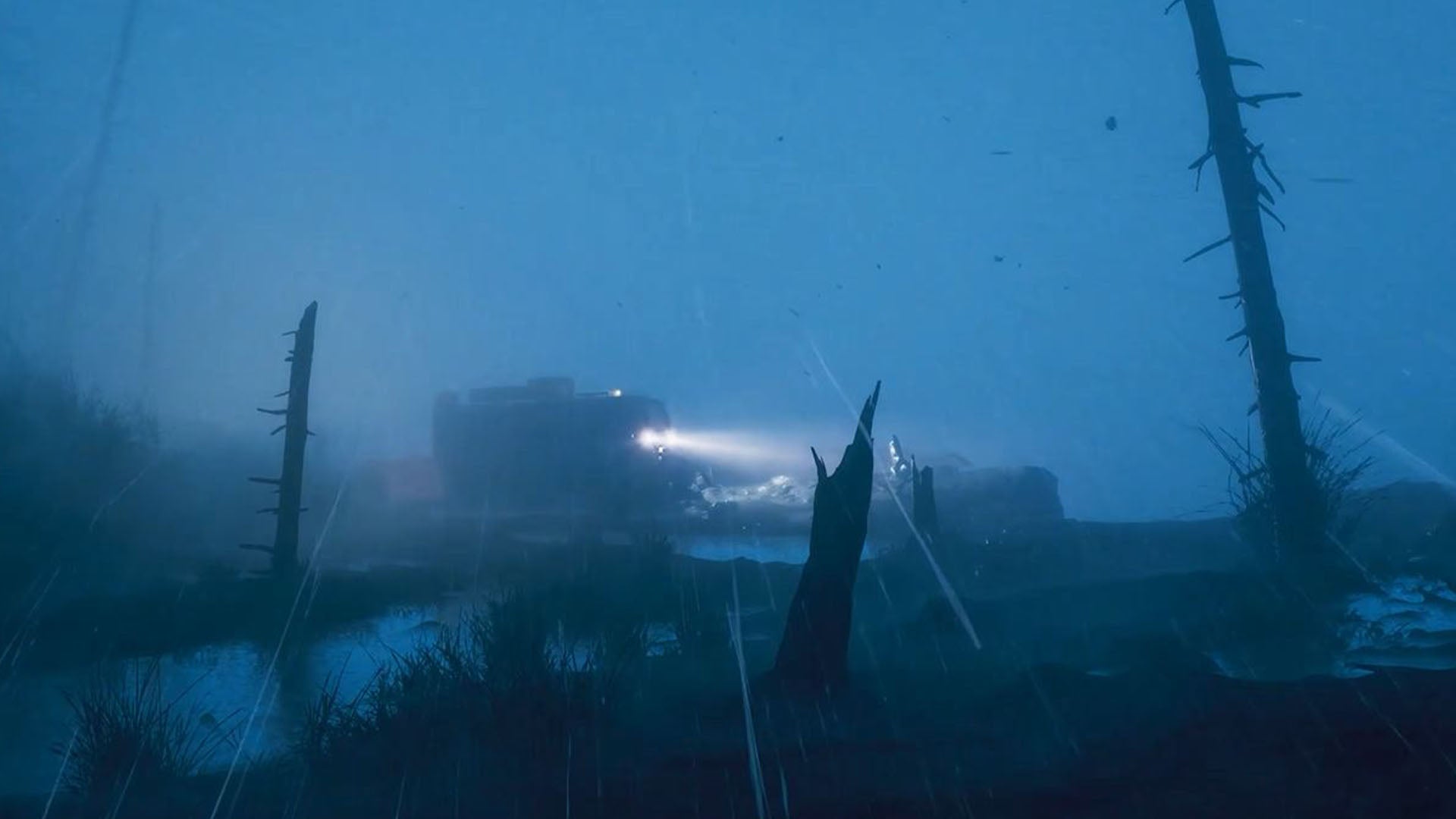
While these details may make the game period accurate, they also offer ways to tell other stories in the world’s design. You start the game riding in the back of a Weyland-Yutani colony rover, feeling the bumps and rocks as it drives over the unfinished roads of planet LV-921. The rover’s interior is all cheap vinyl and old leather, lit by the orange glow of CRT monitors and red blinkenlights. “We looked at CRT screens from a little bit earlier in the 1970s,” Whitehead says, “because we wanted the Rover to feel old in this universe. We wanted to feel like [the colonists] got the shit end of the stick. They don’t have the latest tech. This Colony is tired, it’s been there a long time.”
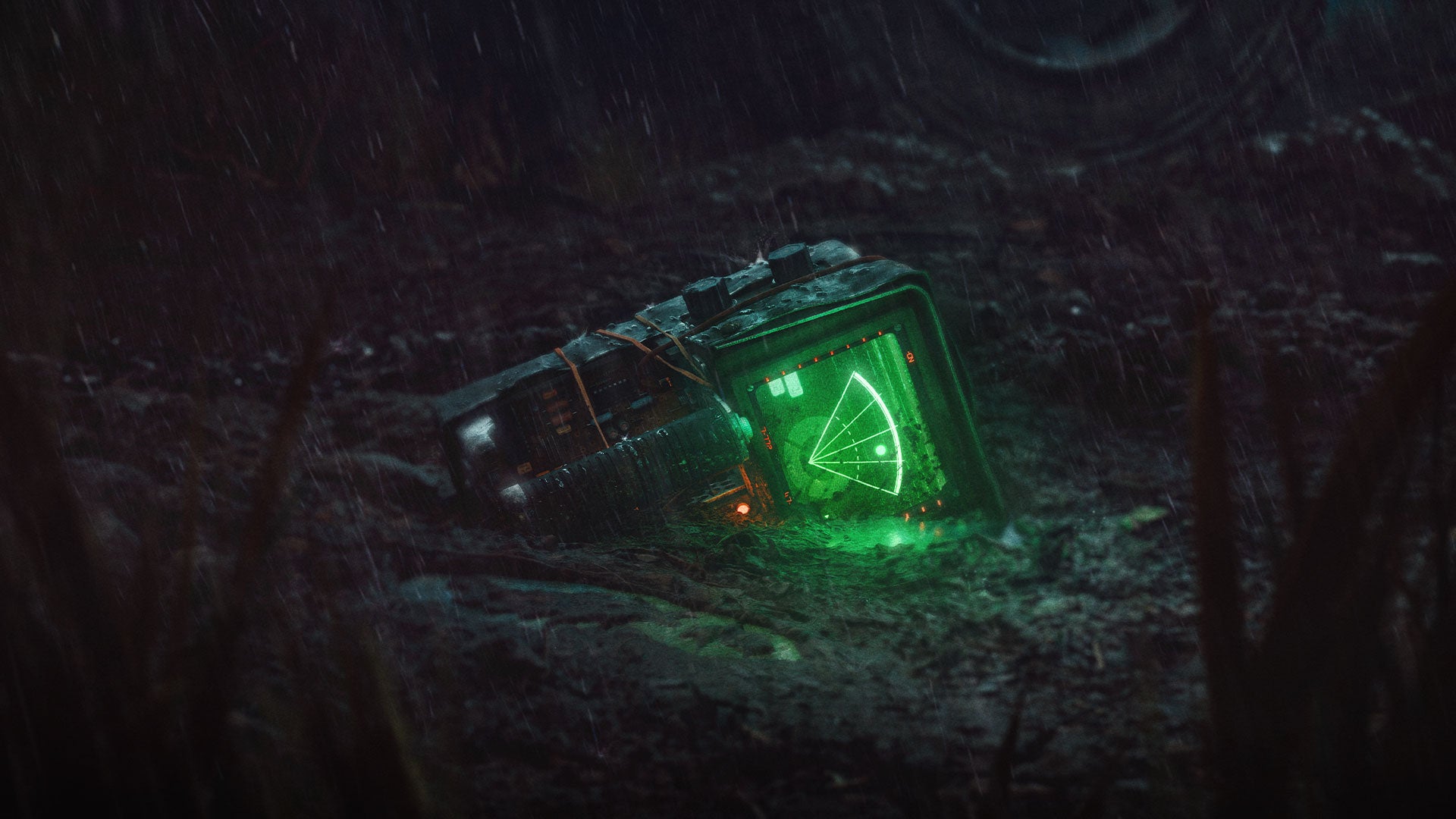
The team also say that the rule doesn’t keep them locked into the designs in Alien, just the thinking that led them to be made the way they were. “[There’s] a recontextualisation of the motion tracker,” Whitehead says. The tracker and the first game existed as a device to be used on a space station, in a stable environment where there’s no risk of rain, or wind, or fog. In Alien: Isolation 2, the device has been redesigned to suit its planetside needs. “It’s got a cover and all of the buttons change.” Likewise, Sopikova adds, “CRT screens in the interior [scenes] have ventilation side panels, which would be very impractical in exterior areas. Small details like make it so the player doesn’t question it.”
I’m a sucker for developers talking about these sorts of details, but I do believe they have the immersive effect Sopkova and Whitehead describe. Of all the games I saw at Gamescom, Alien: Isolation 2 was whose world I sank into most immediately. (Granted, many of the others were third person or isometric games.) It’s one of those games that has me hoping Andy Kelly will bring Other Places out of retirement. Considering he wrote the book on Alien: Isolation, maybe he will…


