
A JRPG can deliver dozens of hours of memorable characters, dramatic battles, and world-changing revelations, but bringing all those elements together in a satisfying conclusion is a challenge of its own. A great ending needs to reward the time players have invested, resolve the conflicts that drive the story, and leave a lasting impression once the credits begin to roll. Some games accomplish this through emotional character moments, while others deliver shocking revelations that completely change how players understand the journey they have experienced.
The JRPGs with the best endings understand that a final battle alone cannot make a conclusion memorable. The stakes need to feel personal, the characters’ decisions must carry weight, and the resolution should feel earned rather than rushed. From heartbreaking sacrifices to satisfying conclusions that bring hours of storytelling together, these JRPGs demonstrate how powerful a game’s final moments can be. Each offers a conclusion that makes the journey leading up to it feel worthwhile.
7
Xenoblade Chronicles 2
Rex’s Journey Comes Full Circle With an Emotional Final Revelation
Xenoblade Chronicles 2 builds its story around Rex’s determination to reach Elysium alongside Pyra, gradually revealing that their journey involves far more than finding a mythical paradise. The final chapters bring the conflict surrounding the Aegises, the Architect, and Alrest’s future to a head, giving the adventure a sense of scale that matches its ambitious worldbuilding. The revelations surrounding the world’s origins also provide important context for the struggles that have shaped its inhabitants.
GameRant Quiz
Easy (15s)Medium (10s)Hard (5s)
The conclusion is especially effective because it brings Rex’s optimism into direct contact with the sacrifices required to save the world. After an adventure filled with shifting alliances and painful discoveries, the ending offers a hopeful resolution while preserving the emotional weight of the characters’ experiences. Its final moments also leave players with a memorable surprise involving Pyra and Mythra, giving the story a more personal farewell after its world-threatening conflict has been resolved.
6
Final Fantasy 12: The Zodiac Age
Ashe and Her Companions Find a Resolution Beyond Revenge
Final Fantasy 12: The Zodiac Age takes a more political approach to its conclusion, following a group of unlikely companions caught between competing kingdoms and the ambitions of powerful leaders. Ashe’s journey is particularly important because her desire to restore Dalmasca forces her to confront the difference between reclaiming power and deciding what kind of ruler she wants to become. The final conflict brings these competing motivations together without reducing the story to a straightforward battle between good and evil.
The ending rewards players who have followed the relationships between Ashe, Basch, Balthier, and the rest of the party. Their individual motivations help make the resolution feel like more than the defeat of a common enemy, while the aftermath establishes a future for Ivalice beyond the immediate conflict. Balthier’s final actions also provide an effective reminder that the characters’ personal ambitions remain important even as the political landscape changes. It is a fitting conclusion for a JRPG that consistently prioritizes political intrigue and complicated motivations over simple heroism.
5
Pokemon FireRed and LeafGreen
Becoming Champion Provides a Satisfying Conclusion to a Classic Adventure
Pokemon FireRed and LeafGreen keep their central story relatively straightforward, but that simplicity is part of what makes the conclusion work. The journey begins with a new Trainer setting out from Pallet Town and gradually developing a team capable of overcoming Kanto’s Gym Leaders. Along the way, the conflict with Team Rocket gives the adventure a recurring antagonist, while the rivalry with Blue provides a personal measure of the player’s progress.
The final battle against Blue at the Pokemon League brings these threads together in a satisfying test of everything the player has learned. Defeating the Champion is not just another victory; it marks the moment when the once-inexperienced Trainer becomes the region’s strongest recognized battler. Professor Oak’s recognition reinforces that achievement, giving the main story a clear sense of completion. Although the narrative does not aim for the emotional complexity of more character-driven JRPGs, its ending succeeds by delivering exactly what the adventure promises: the chance to become Champion after overcoming every obstacle in the way.
4
Chrono Trigger
Chrono Trigger turns its time-travel premise into one of its greatest storytelling strengths, allowing players to influence how the adventure concludes through the timing and circumstances of their final confrontation with Lavos. The main ending provides a satisfying resolution to Crono and his companions’ efforts to prevent the destruction of the world, but the game’s structure makes it possible to discover several alternative conclusions as well.
These different endings are more than superficial variations. Some offer humorous detours, while others provide different perspectives on the characters and the consequences of their journey. New Game+ makes revisiting the story easier, encouraging players to experiment with when they challenge Lavos rather than simply repeat the same sequence of events. The result is an ending system that complements the game’s central themes of time, consequence, and possibility. Rather than offering one definitive final moment and leaving it there, Chrono Trigger gives players several ways to say goodbye to its world, making its conclusion unusually rewarding to revisit.
3
Dragon Quest 11 S: Echoes of an Elusive Age
The Luminary’s Journey Connects Destiny With the Power of Choice
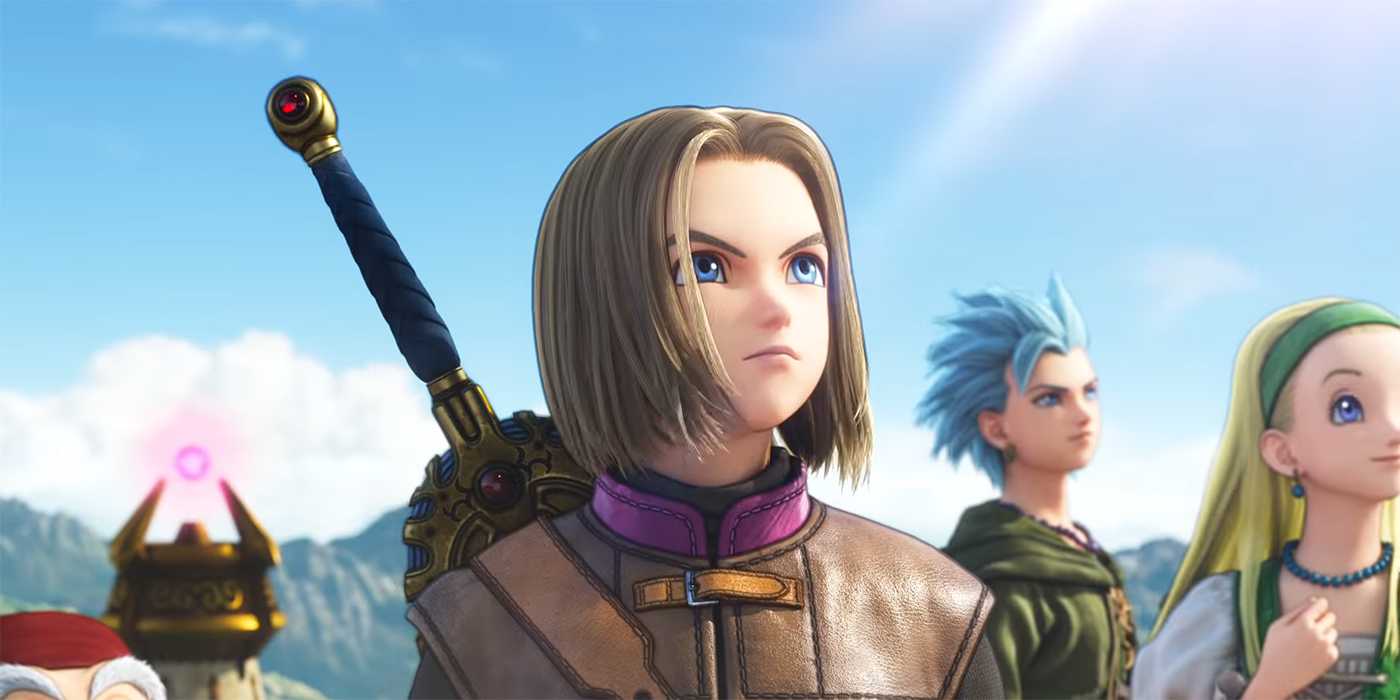
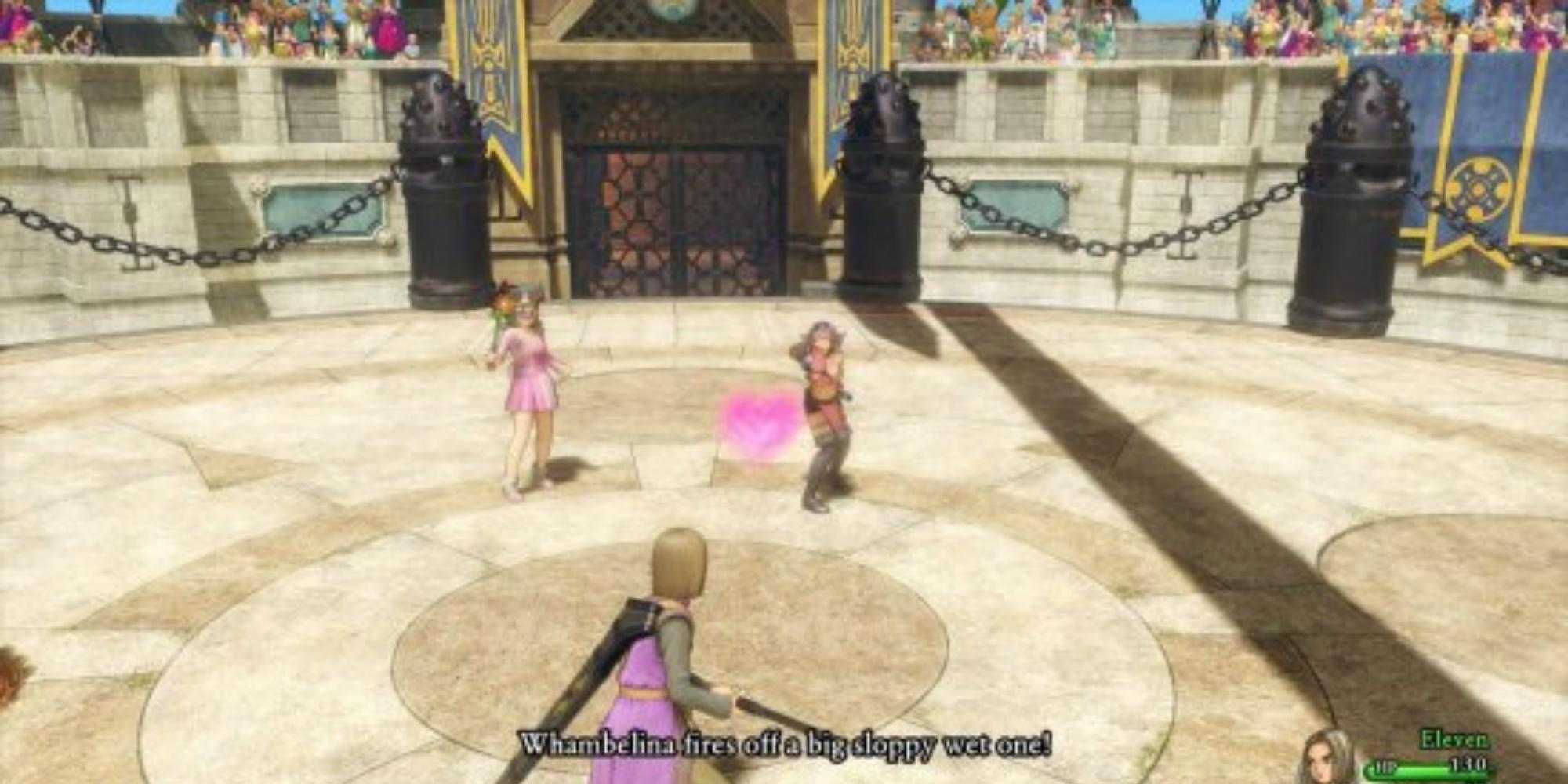
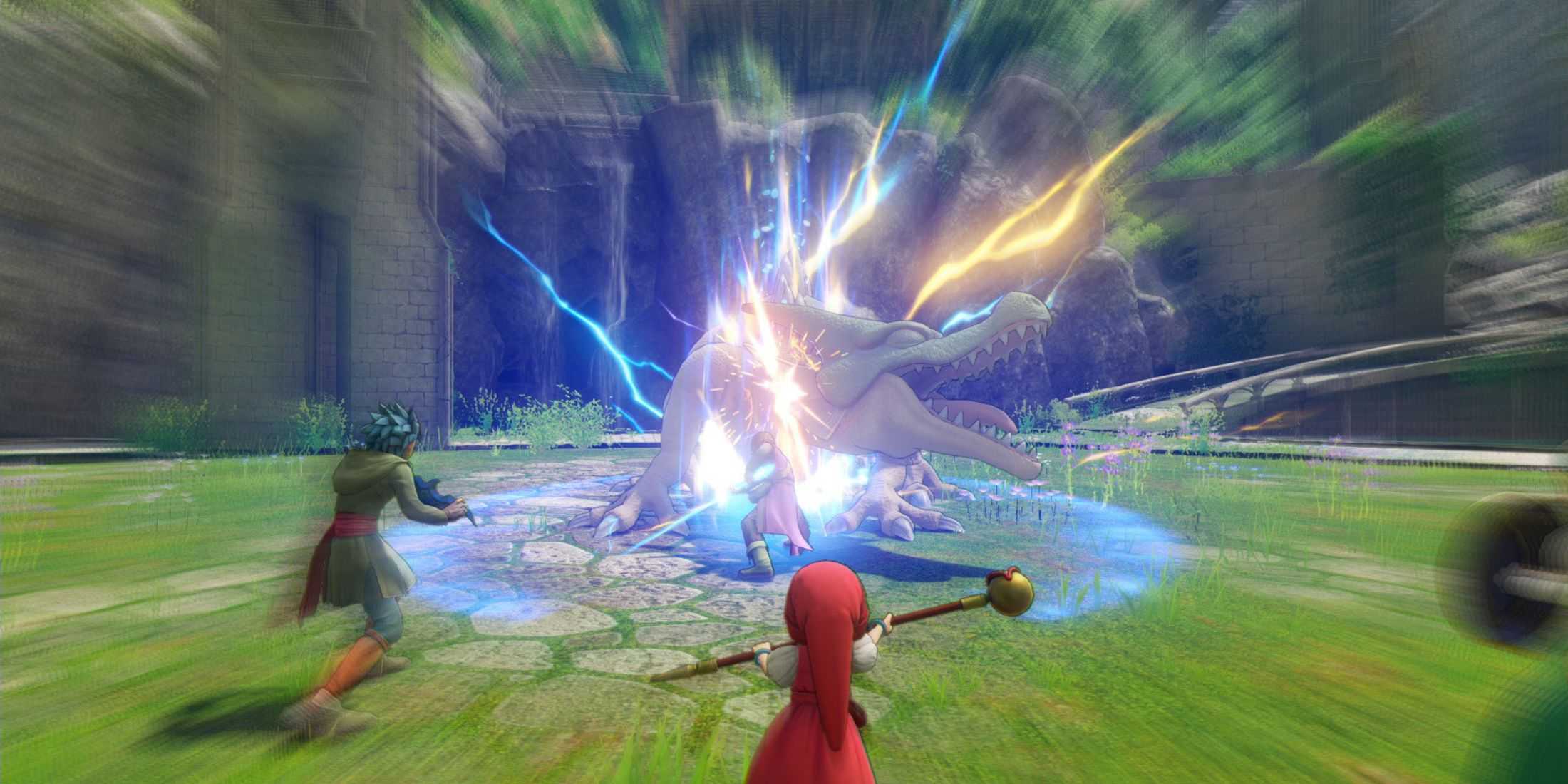
Dragon Quest 11 S: Echoes of an Elusive Age initially appears to build toward a traditional fantasy conclusion, with the Luminary gathering companions to confront a threat to the world. However, the story complicates that expectation by revealing how much the characters’ understanding of their mission has been shaped by incomplete information and devastating events. The resulting shift gives the narrative an opportunity to explore loss, responsibility, and what it means to protect a world that has already suffered enormously.
The game’s later story developments extend that examination, giving players another perspective on the consequences of the Luminary’s decisions. The additional narrative in the third act is particularly significant because it explores the tension between accepting painful outcomes and attempting to change them. While the structure of the expanded ending may divide players, it gives the adventure a distinctive thematic question that reaches beyond defeating a powerful enemy. Dragon Quest 11 S earns its place on this list because its conclusion engages with the consequences of its heroes’ choices rather than relying entirely on a conventional victory.
2
Pokemon HeartGold and SoulSilver
The Johto League Victory Completes a Journey Built Around Growth
-
 Image via The Pokemon Company
-
 Image via Game Freak
-
 Image via The Pokemon Company
 Image via Game Freak
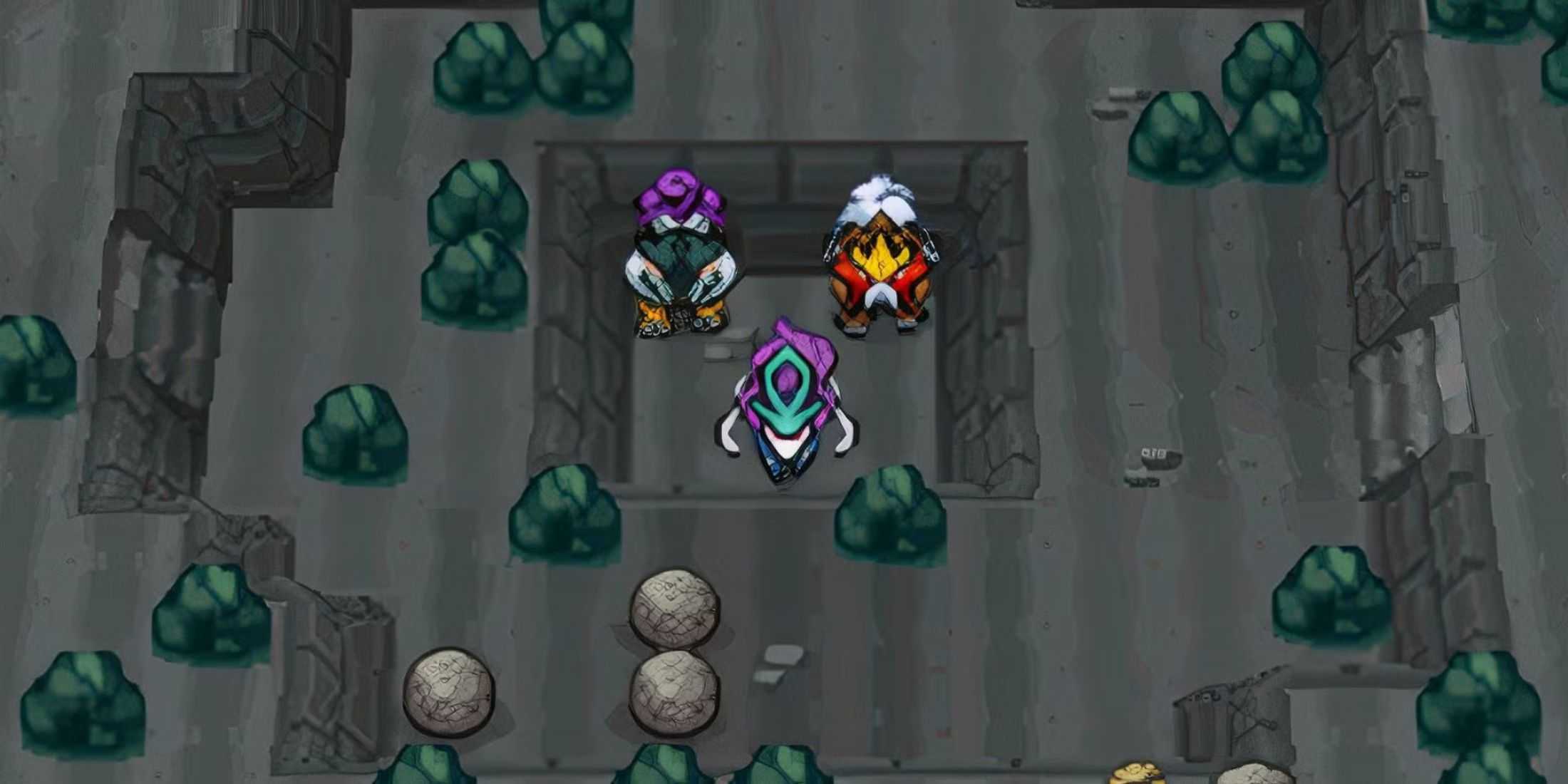
Pokemon HeartGold and SoulSilver deliver a satisfying main-story conclusion by bringing the player’s journey through Johto to its natural culmination at the Pokemon League. After collecting eight Gym Badges, confronting Team Rocket’s renewed ambitions, and developing a team over the course of the adventure, players must defeat the Elite Four before facing Lance. The Champion battle is an appropriate final test because it asks players to demonstrate the strength and strategic understanding they have developed throughout their journey.
The victory also provides a clear sense of achievement without requiring a complicated narrative twist. The player’s progression from a beginner receiving their first Pokemon to a Trainer capable of defeating the region’s strongest opponents gives the conclusion its emotional payoff. The story’s focus on exploration, friendship, and steady improvement makes becoming Champion feel earned. Although Kanto and the battle against Red provide further goals beyond the main Johto storyline, the initial conclusion stands on its own as a satisfying culmination of the player’s original adventure.
1
Final Fantasy 10
Tidus and Yuna’s Farewell Delivers One of the Genre’s Most Emotional Conclusions
Final Fantasy 10 earns the top spot by bringing its central conflict and its characters’ emotional journeys together in a conclusion that remains powerful long after the credits roll. Tidus and Yuna’s journey initially revolves around defeating Sin and bringing peace to Spira, but the story gradually reveals the devastating sacrifice required to maintain the cycle that has shaped the world for generations. This revelation transforms the final conflict from a conventional battle against an enormous threat into a struggle over whether Spira can escape the suffering that has defined its history.
The climax succeeds because the characters must reject the familiar solution and accept the uncertainty of creating a different future. Yuna’s determination to free Spira gives the final battle emotional weight, while Tidus’s own connection to the truth behind Sin makes the resolution deeply personal. The ending’s final moments, particularly Tidus’s disappearance and Yuna’s farewell, provide a heartbreaking payoff to their relationship without undermining the hope that the characters have fought to preserve. It is a conclusion that balances tragedy and optimism, allowing victory to carry a genuine cost while still making the possibility of a better future feel real.
What Makes a Great JRPG Endgame?
The strongest JRPG endings do more than defeat the final villain. They bring the characters’ personal struggles, the central conflict, and the game’s major themes together in a conclusion that feels earned. Chrono Trigger uses its multiple endings to explore different possibilities, while Persona 5 Royal puts the Phantom Thieves’ beliefs to the test. Dragon Quest 11 S examines the consequences of changing fate, and Final Fantasy 10 demonstrates how a heartbreaking sacrifice can give a victory lasting emotional significance.
Ultimately, the best ending depends on what a player values most in a story. Some conclusions succeed through the satisfaction of a journey completed, while others linger because of the difficult choices their characters must make. These eight JRPGs stand out because their final moments give meaning to everything that came before, ensuring that the experience remains memorable even after the screen fades to black.


