
Most of us know how bittersweet it feels to finish an open-world RPG, especially when you’re already attached to the characters. I personally love prolonging the adventures for as long as possible, so post-game content is my best friend.
Fortunately, plenty of open-world RPGs offer a post-game continuation of the journey meaningful enough to keep us on our toes. In fact, sometimes it can even feel like you are just getting started. To be fair, it’s nice to have something new to use your skills for after spending so much time improving them.
Dragon’s Dogma: Dark Arisen
Bitterblack Isle Makes The Main Adventure Feel Like Preparation
While Dragon’s Dogma 2 completely transforms its world during the endgame, the original Dragon’s Dogma: Dark Arisen takes a slightly different approach; it introduces the game’s most demanding content through the Everfall and Bitterblack Isle. The Everfall turns into a major post-game destination once you defeat Grigori. This is where you gain access to a series of chambers filled with enemies, equipment, and all kinds of encounters.
The Everfall is different from other dungeons because you have to explore it many times to see all of the unique combinations of enemies, including bosses like the Evil Eye, Archydra, and Gorechimera. Players can also collect rare equipment from chests and earn more rewards by revisiting individual chambers one more time. The Everfall also plays a big role in the post-game quest “Fathom Deep”, which requires players to collect 20 Wakestones, meaning the dungeon actually has meaningful progression, and it’s not just repetitive grinding.
Guess the games from the emojis.
However, the most interesting thing about Everfall’s endgame content is the Ur-Dragon, an optional boss found in the Chamber of Lament. The online version of this fight has a shared health pool, so players from all over the world can contribute to defeating the same monster. There is also an offline version for those who want to try defeating the boss alone. This adds an unusual twist to the endgame that I’ve rarely seen in other open-world RPGs.
Outward: Definitive Edition
The Toughest Bosses Are Waiting After The Main Questline
-
 Image via Nine Dots
-
Image via Nine Dots
-
Image via Nine Dots
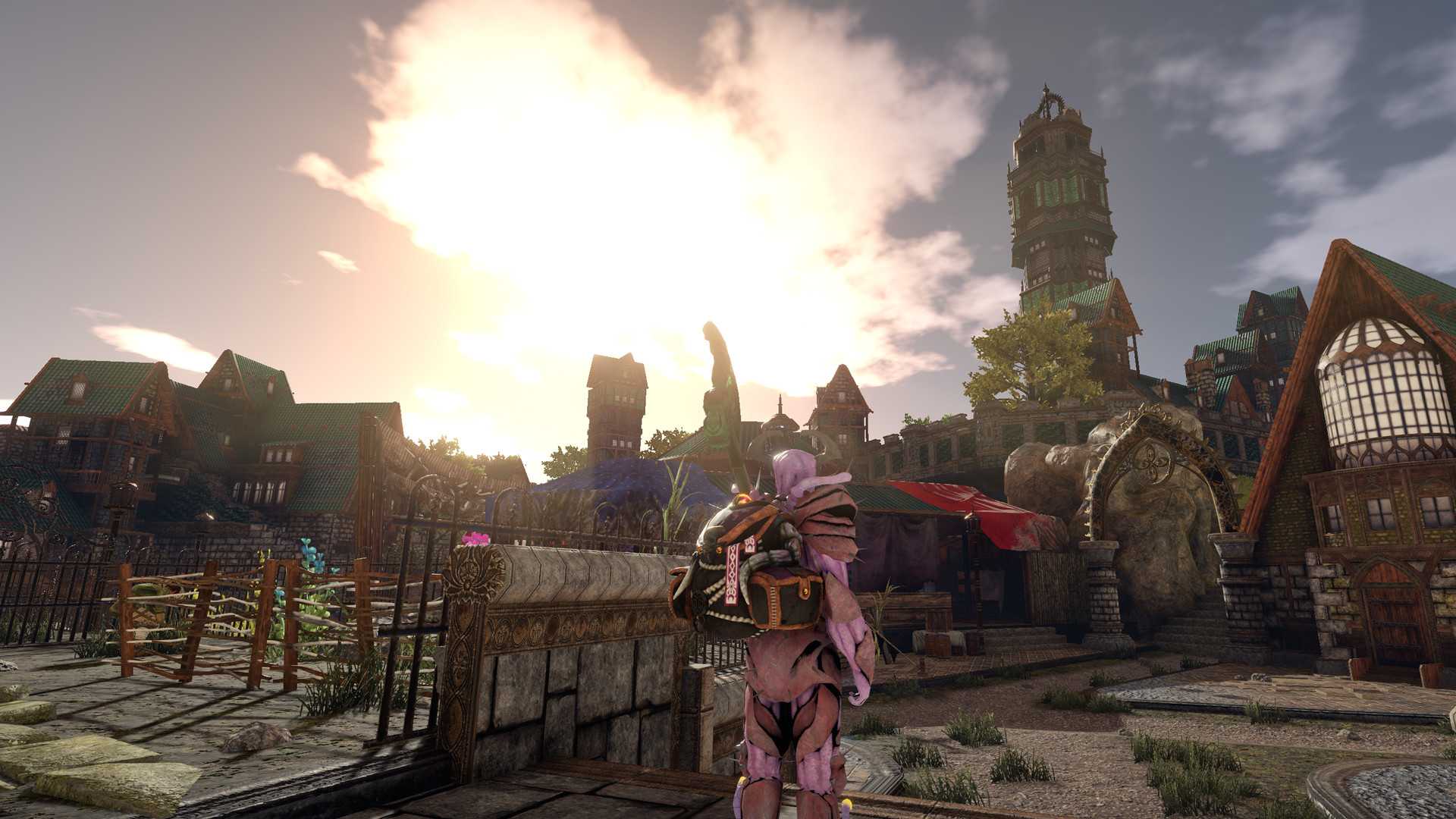 Image via Nine Dots
 Image via Nine Dots
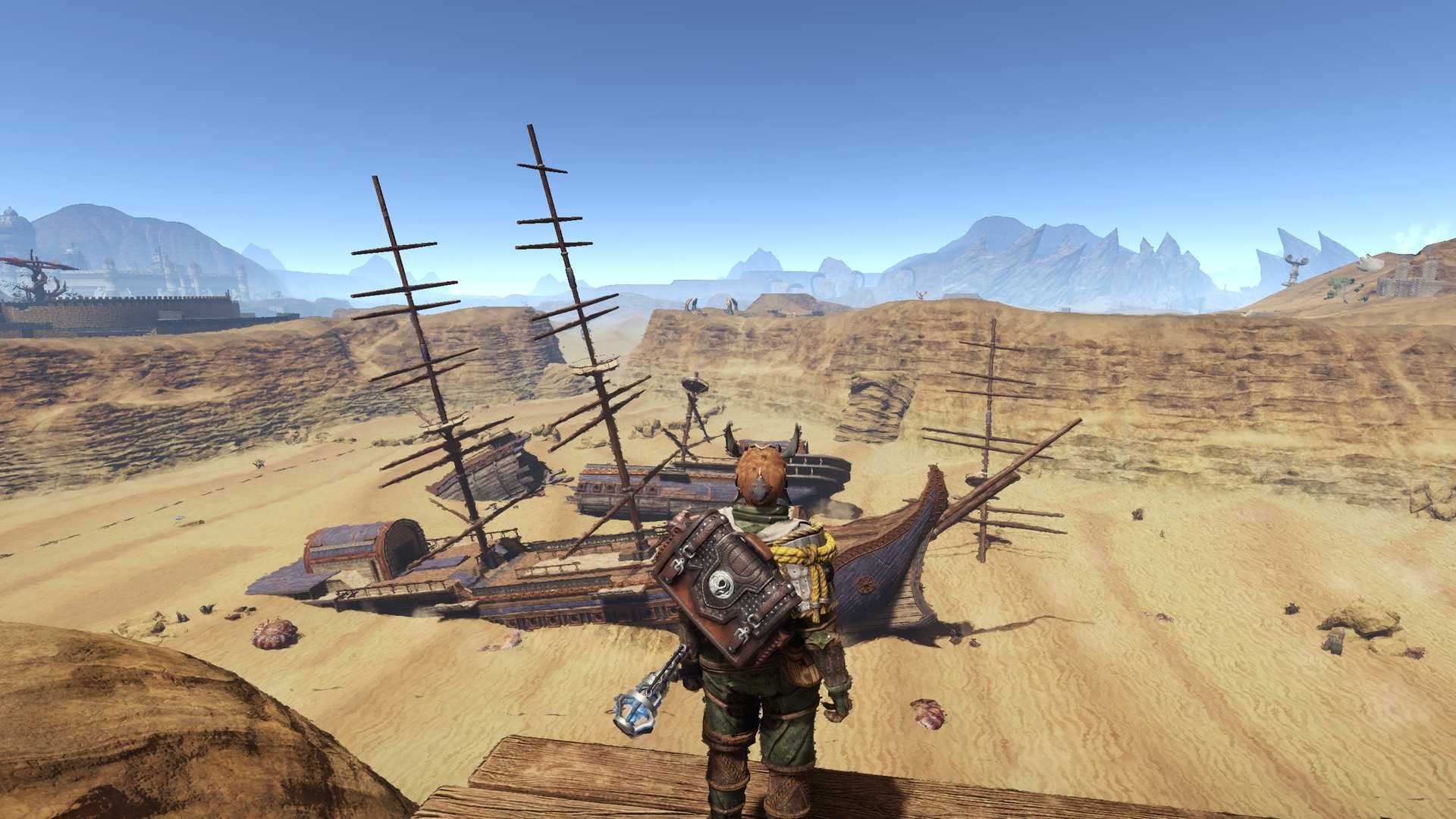 Image via Nine Dots
To be honest, playing Outward: Definitive Edition is never easy, whether you’re playing the main campaign or the endgame content. At least that was the case for me. However, you won’t see anything until you have completed your faction’s questline, no matter how difficult it might seem at first. Once you reach this point, you will can access the hidden Unknown Arenas.
There are 12 of them scattered across the four main regions of the game. Each one of them contains a powerful optional boss, more dangerous than anything else you might have encountered in the game so far. However, keep in mind that you won’t even know exactly where the arenas are; you need to find them first.
To add to the challenge, you also have to meet specific entry requirements to be allowed in the Unknown Arenas at all. For example, to enter the Blister Burrow Arena, players must sacrifice two pieces of Raw Jewel Meat. This means that you need to consider what resources you have available not only to complete the encounter, but also to enter the Arena in the first place.
Moreover, the game doesn’t have a conventional leveling system, so success depends mostly on your skills, the equipment you have acquired, and how well you understand the mechanics. This is exactly what makes the endgame so rewarding; it feels earned, and at the same time, encounters are genuinely challenging and interesting.
Final Fantasy 15
Its Secret Dungeons Are Unlike Anything In The Main Story
-
Image via Square Enix
-
Image via Square Enix
-
 Image via Square Enix
 Image via Square Enix
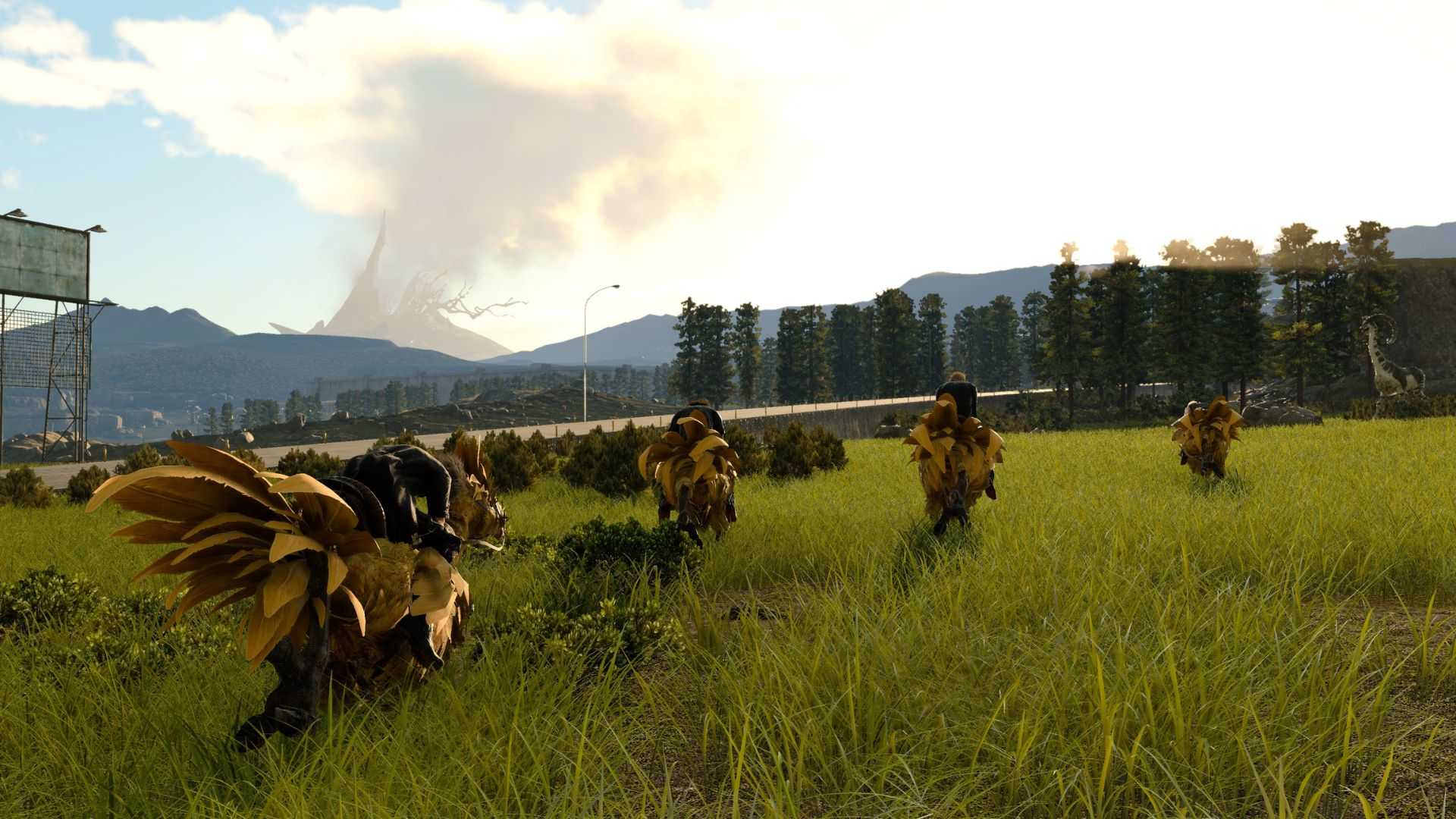
Final Fantasy 15 probably isn’t the title that pops up in most people’s minds when they think about exceptional endgame content, but in my opinion, this is arguably one of the most creative and surprising approaches to this part of the game. Despite the fact that many are unhappy with the main story in general, it’s hard to deny that Square Enix has included a robust amount of optional content for those who decide to stick around after completing Noctis’ adventure.
One notable example is the Pitioss Ruins, a dungeon you can access only after obtaining the flying Regalia Type-F. However, what makes it so unusual is that it abandons the combat mechanics that dominate the rest of the game in the blink of an eye. Instead, you will have to navigate narrow passages and solve elaborate environmental platforming puzzles. In other words, even if you have become a master of the game’s combat mechanics, you will have to learn a brand-new set of skills to make it through the endgame successfully.
Without a doubt, this is an ambitious departure from the traditional narrative, and I personally respect and appreciate creative deviations. Of course, those who enjoy combat also have reason to stick around because completing the dungeons allows you to obtain the Sealbreaker’s Key and unlock eight additional Menace dungeon challenges. They feature more enemies, with some of them being so brutal that they even restrict item usage, which definitely contributes to an interesting fight.
Assassin’s Creed Odyssey
Ancient Greece Still Has Plenty Of Secrets
-
Image via Ubisoft
-
 Image via Ubisoft
-
Image via Ubisoft
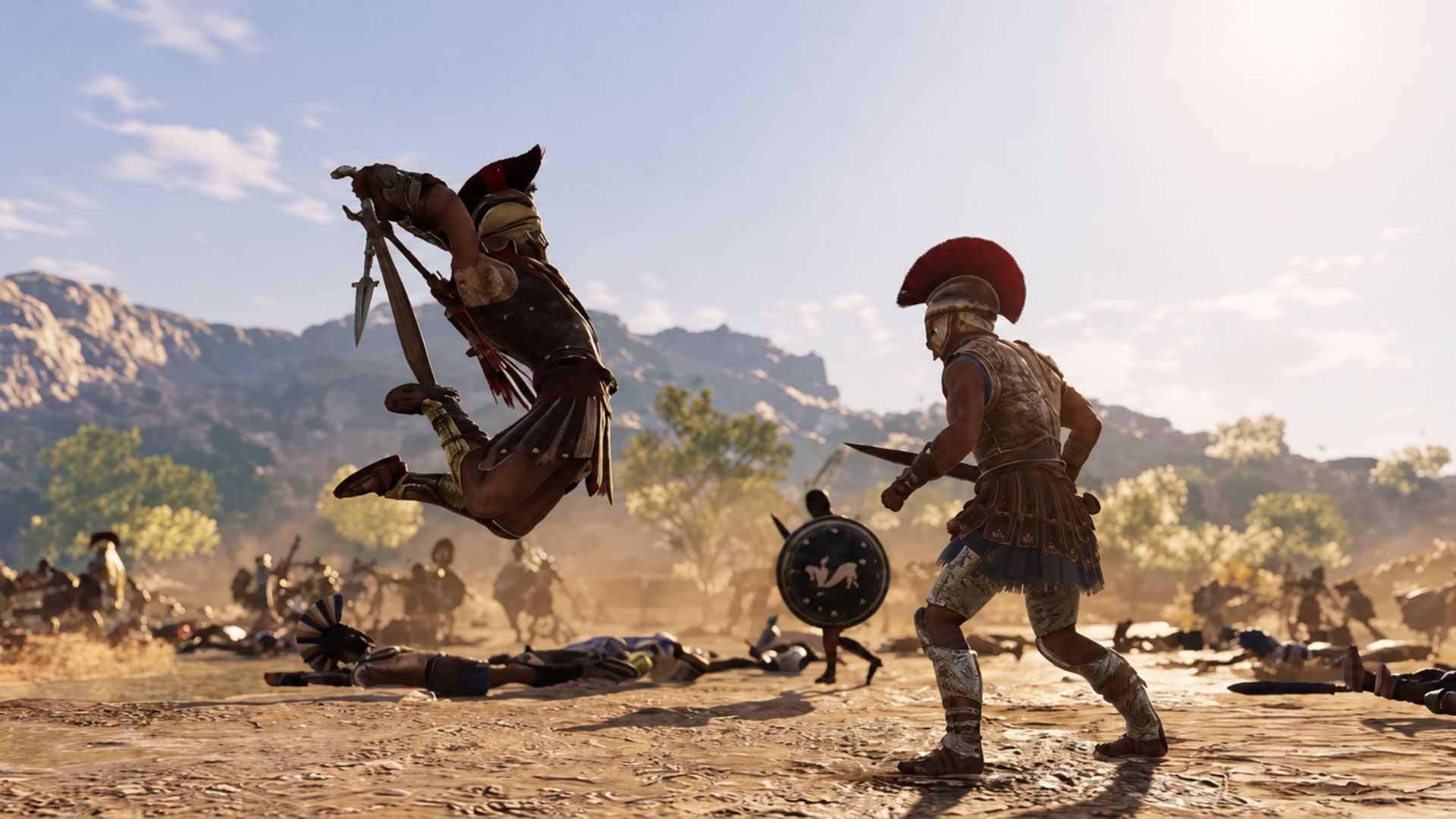 Image via Ubisoft
 Image via Ubisoft
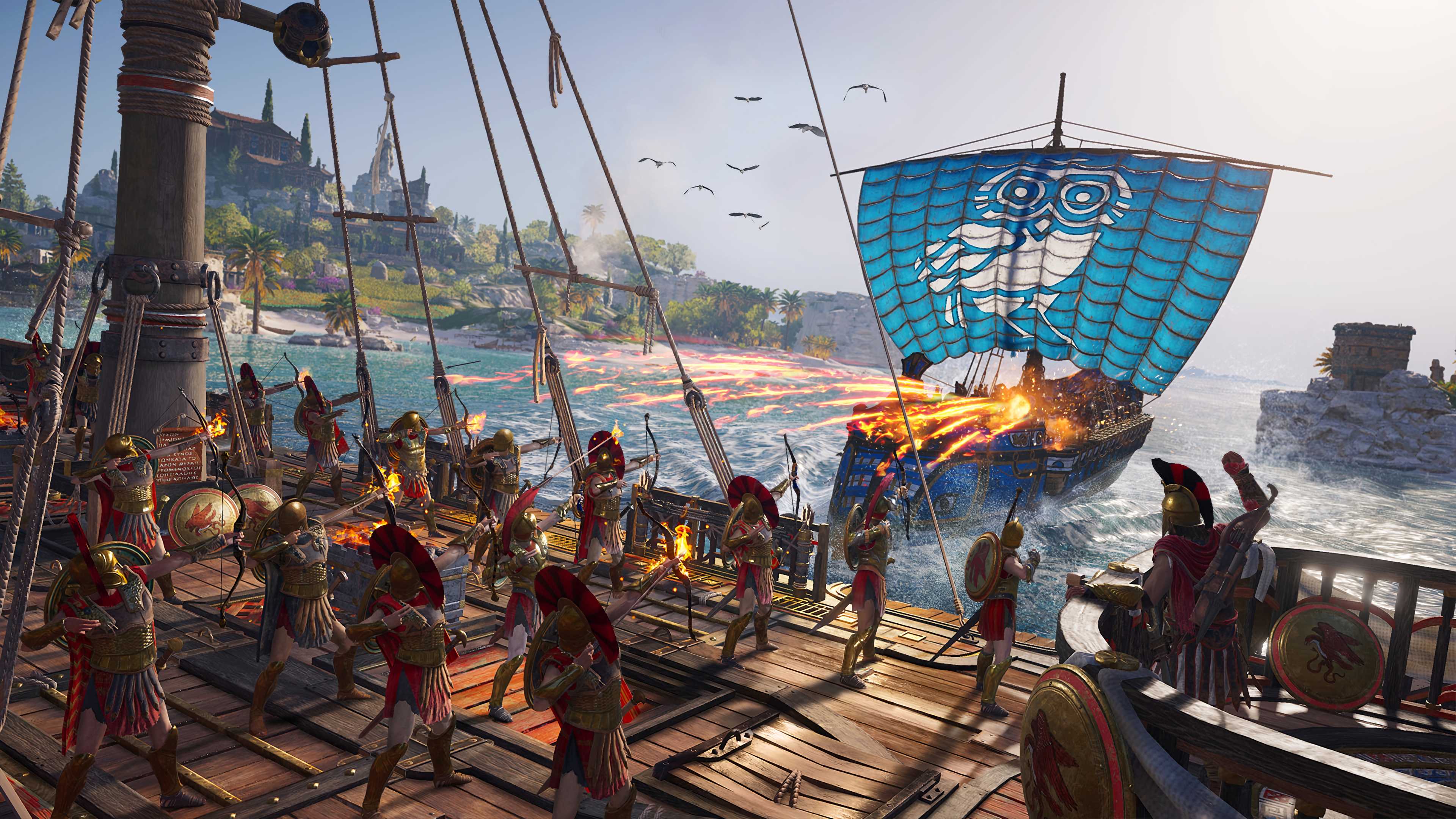 Image via Ubisoft
The open world of Assassin’s Creed Odyssey is huge; there’s no doubt about that. As such, it’s not very surprising that players have a lot more to discover even after spending dozens of hours in the main game. I was personally very surprised to see how many unresolved mysteries were left after I finished the central family storyline. In fact, if you focused mostly on the family’s reunion, you’re in for a ride, because the most memorable encounters are still ahead of you.
For example, the Cult of Kosmos, a secret organization responsible for manipulating the conflict between Athens and Sparta, will reveal the secret identity of an important character. I don’t want to spoil too much, so I will just say that there is another major surprise for the Gates of Atlantis storyline, which also includes Medusa, the Minotaur, the Cyclops, and the Sphinx.
Hogwarts Legacy
The School Year Isn’t Over Just Because Ranrok Is Gone
-
Image via Avalanche Software
-
Image via Warner Bros. Games
-
Image via WB Games
 Image via Avalanche Software
 Image via Warner Bros. Games
 Image via WB Games
I’m a big fan of the Harry Potter series, so I personally love Hogwarts Legacy, and I was thrilled to find out that defeating the main villain, Ranrok, doesn’t bring the adventure to an end. There are still a few important milestones to complete, one of them being finishing The House Cup. This is definitely a great opportunity to get a fitting conclusion to your Hogwarts experience.
Moreover, you can finish some crucial relationship quests involving Sebastian Sallow, Poppy Sweeting, and Natsai Onai. Sebastian’s story stuck with me the most because it really dives deep into his obsession with Dark Magic, including his decision to kill his uncle Solomon. Poppy’s adventure is no less interesting, as she tries to protect magical creatures from poachers. Natsai, on the other hand, focuses on bringing the criminal Theophilus Harlow to justice.
Even though Hogwarts Legacy doesn’t have post-game content that could keep you entertained for days on end, it has a few wholesome stories that provide you with a lot of satisfaction at the end of your journey. Generally, if you want to uncover every single secret, you will still have to spend a good amount of time exploring hidden rooms for collectibles and puzzles that are easy to miss during the main story.
We shouldn’t forget the “Every Story Has an Ending” quest, which follows Herodotus back to Samos and gives one of the protagonist’s companions a more personal and satisfying conclusion. Last but not least, now that New Game+ is available, you can restart the adventure with all of your existing equipment and progression, which allows for a lot more freedom to experiment as well.


