
What’s been your favourite new game this year? You can read all about our choices right here, with our full Game of the Year Awards 2025 list, but I’ve got one more for you. Importantly, this one isn’t quite so subjective as most ‘best of’ collections because it reflects something that’s really important in PC gaming: performance.
I don’t just mean outright frame rates, though that’s no small matter. You can have a game that runs at well over 200 fps, but if the graphics are all wonky donkey, or the whole thing is less stable than a block-away-from-disaster game of Jenga, then it’ll be no fun to play.
But three stood out for being shining examples of brilliant game development, from a technical perspective. They don’t just have excellent graphics and high frame rates, but also rock-steady stability and a wide range of options to help them scale across the vast sea of hardware configurations out there.
Unfortunately, another three excelled at being shining examples of the total opposite: glitchy graphics, inexplicably poor performance, and a heavy reliance on monstrously powerful hardware or upscaling/frame generation just to run at an acceptable pace.
So without further ado, here are the best and worst games of 2025, tech and development-wise.
The best examples of top game development in 2012
Battlefield 6 | 4K native, Max quality | Ryzen 9 9900X | RX 9070 XT
If you’ve already played the game, then our first pick for the best-performing game this year won’t be in the least bit surprising. It’s Battlefield 6 or, as Andy simply called it, “What a well-optimised game looks like in 2025.” How does a frame rate of 100 fps at 1440p on an RTX 4070 sound? How about when I tell you that’s with using the game’s maximum quality settings and no upscaling or frame generation?
Of course, what’s helping a great deal in Battlefield 6 is that its developers completely eschewed all of the latest rendering wizardry, such as ray tracing, to focus solely on maximising performance. That doesn’t mean it looks like a bag of sour frogs, though. Environmental destruction has been Battlefield’s party piece for many years, and it feels as epic as ever in the latest iteration.
But the best part of it all is just how well it all runs. Even at launch, it was remarkably glitch-free and scaled very well across multiple generations of CPUs and GPUs. Even on hardware from the last decade, Battlefield 6 looks and runs great. You’d think that this would be the norm, but that’s not been the case at all, despite 2025 showing so much promise with Kingdom Come: Deliverance 2.
Kingdom Come: Deliverance 2 | 1080p, High quality, DLSS Quality | Ryzen 7 7735HS | RTX 4050
For a massive, sprawling open world game, replete with epic vistas, huge forests, and towns bustling with NPCs, KCD2 runs like it’s a Battlefield 6 kind of game (i.e. small maps, with tight constraints on draw distance).
The star of the show here is Crytek’s CryEngine software, which is somewhat underused by game developers. Although there’s no full-blown hardware-based ray tracing on show, KCD2 uses voxel-based software ray tracing to great effect, though the game’s screen-space reflections aren’t anywhere near as impressive.
With shader compilation cleverly hidden in loading screens and in the background, Kingdom Come: Deliverance is blessedly free of stutters, even when traversing over large distances on horseback; even the dense crowds of the main city do nothing to affect the frame rate.
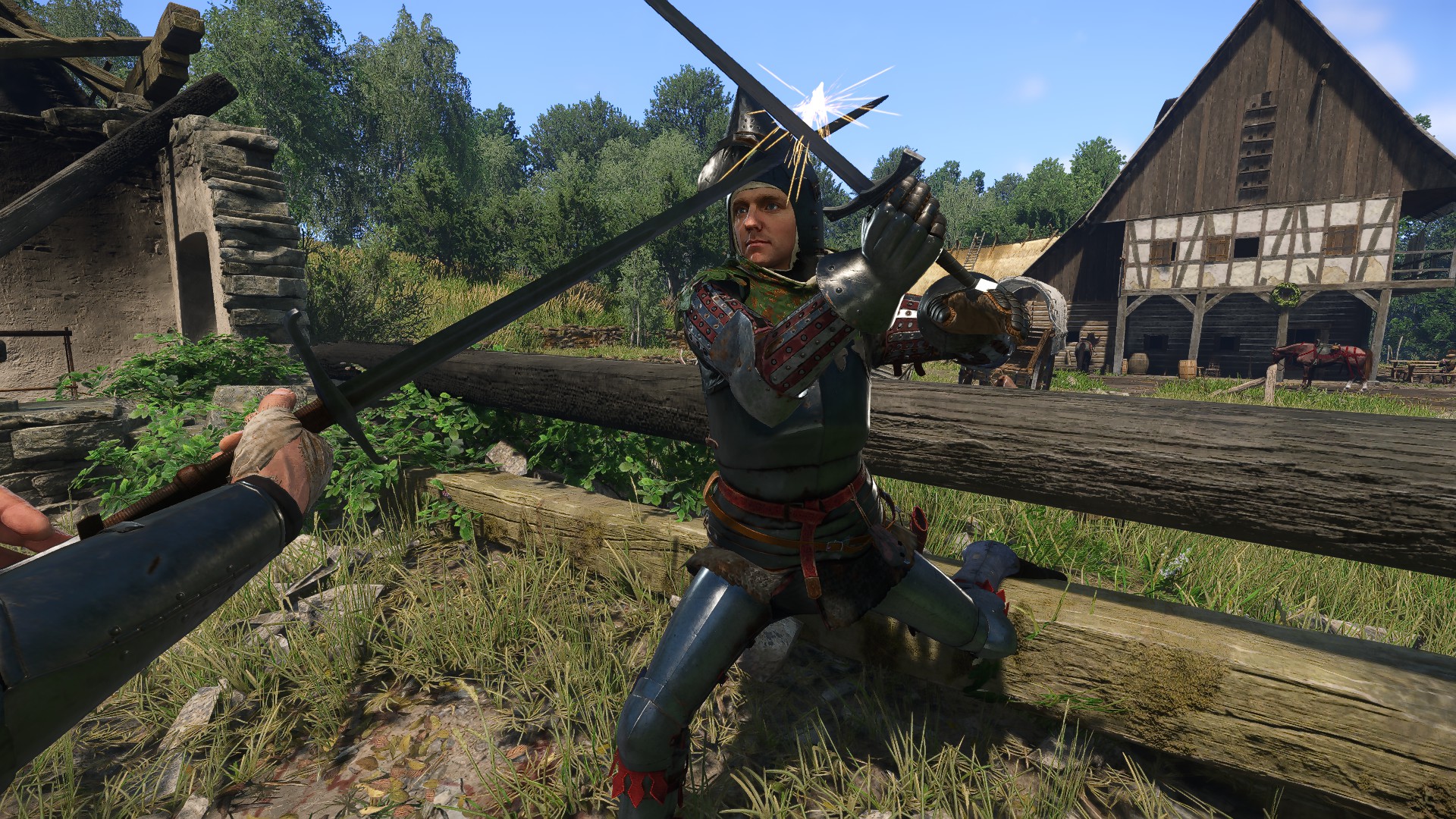
When a basic RTX 4050 laptop can comfortably hit 60 fps at 1080p on the high quality preset and a snit of DLSS upscaling, you know the developers worked hard to make performance a top priority.
Just on the basis of how good these two games are, you could be forgiven for thinking that ray tracing is a curse to be avoided when targeting high frame rates, but there was one release in 2025 that proved it can be used without too much of a performance hit. Doom: The Dark Ages wasn’t the frantic shoot-em-up that Doom Eternal was, but it could still churn out the frames pretty quickly.
Doom: The Dark Ages | 1080p, Ultra quality, DLSS Quality | Ryzen 5 5600X | RTX 3060 Ti
Hitting 64 fps at 1080p Ultra quality (over 90 fps with DLSS Quality) on a rig with a Ryzen 5 5600X and GeForce RTX 3060 Ti might not sound super impressive, but given that all the lighting and reflections are hardware ray-traced, it’s certainly not to be sniffed at. That kind of performance is also achievable without upscaling or frame generation, but applying just a mere hint of the former does wonders for the frame rate.
Unfortunately, Doom: The Dark Ages doesn’t scale as well as Battlefield 6 or Kingdom Come: Deliverance 2, because the use of hardware ray tracing automatically prevents GPUs predating the RTX 20-series or RX 6000-series from running the game. And the fact that an RTX 2060 can barely hit 40 fps at 1080p Low with upscaling isn’t great, either.
But if you’ve got the right level of minimum hardware to enjoy the latest Doom, then at least you’ll be treated to a stutter and glitch-free experience. Something that can’t be said for the three worst games of 2025, even months after they launched.
The poorest examples of game development in 2025
Monster Hunter Wilds | 1080p, Custom medium/high quality, FSR 3 Balanced + frame gen | Ryzen 7 5700X3D | RTX 3060 Ti
Standing head and shoulders above every single game of 2025, Monster Hunter Wilds launched in an abysmal mess, and it’s barely any better ten months down the line. It’s not just that it didn’t run very well when it first appeared, though getting 55 fps at 1080p on the lowest quality preset with a Ryzen 7 5700X3D and RTX 3060 Ti is certainly very grim. Don’t be fooled by the above video, as that’s with FSR 3 Balanced and frame generation enabled.
It’s more down to the fact that while maxing out the graphics settings doesn’t actually harm the performance all that much, the settings do little to make the game actually look very good. Applying a judicious amount of upscaling and frame generation produces a decent enough frame rate, but the blurry graphics, muted colours, and sparse environments don’t tally with how poorly the game runs.
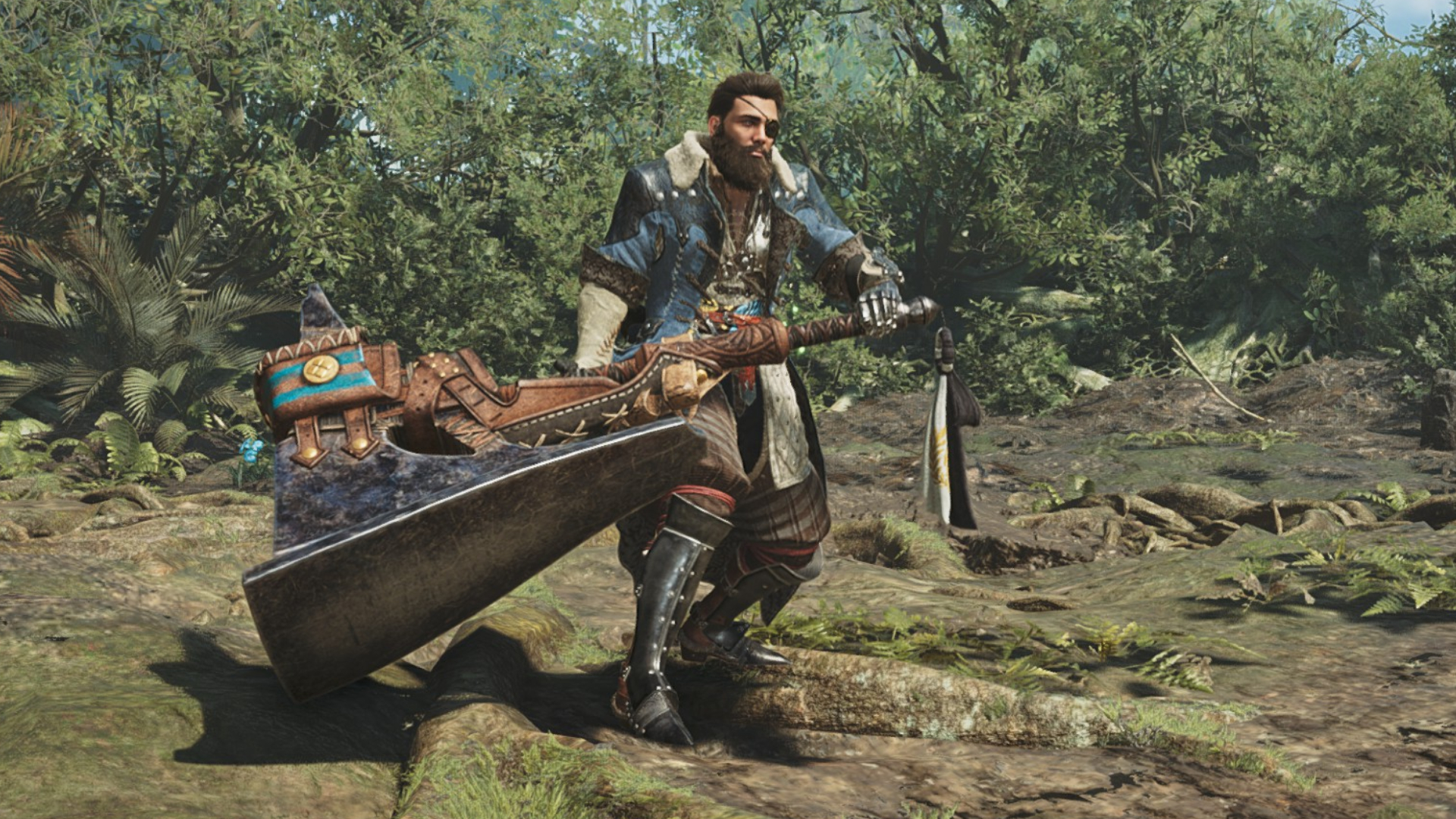
With certain hardware combinations, Monster Hunter Wilds can stutter quite badly, and along with the token implementation of ray tracing (to make water reflect a tad better), it just feels like the PC version of the game was a low priority for the developers. Things do pick up, in terms of visual splendour, as you progress through the various locations, and the performance doesn’t actually get any worse.
But even Capcom recognises it’s just not good enough, when it referenced Monster Hunter Wilds as being the bar that it will avoid with Resident Evil Requiem.
Borderlands 4 | 4K native, Badass quality | Ryzen 7 9800X3D | RTX 5090
Perhaps if Gearbox’s CEO was just as forthcoming about Borderlands 4, things might have gone somewhat better for that game at launch. Alas, despite only hitting 40 fps with a Ryzen 7 9800X3D, RTX 5090 rig at 4K Badass quality indoors (albeit without upscaling), Randy Pitchford was adamant that there was nothing wrong with the game whatsoever and that the issue was players’ hardware and expectations.
Unlike Monster Hunter Wilds, Gearbox has patched out a lot of the earlier problems, especially issues relating to stability, but it’s still not the most performant of games this year. Being Unreal Engine 5 powered, much of the initial ire was directed towards the software, but the truth of the matter is that the relatively low performance is entirely down to decisions made by the developers.
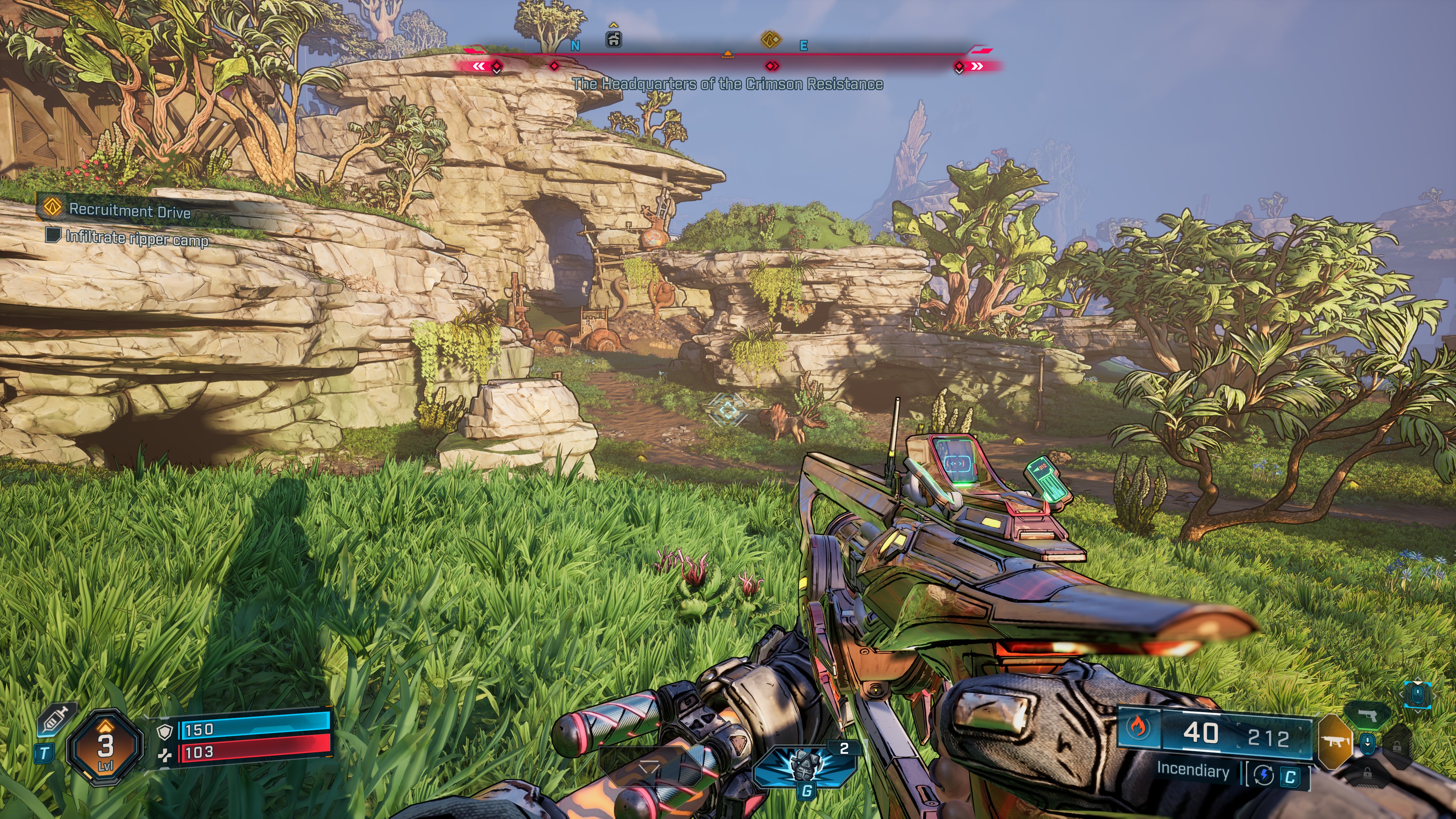
Borderlands 4 looks very nice: too good, actually. The level of detail in the graphics and the sheer scale of the game world just make it very hard work for even the most potent of gaming CPUs and GPUs. For games aiming for ultra-realistic looks, that’s to be expected, but that’s never been Borderland’s vibe. The latest entry in the series does run pretty well now, but the player base ship has long since sailed.
For our final pick of the worst-performing game of 2025, there were quite a few contenders. Elden Ring Nightreign was a bit of a dog’s dinner, but Elden Ring fans are so used to FromSoftware jank that it was mostly all forgiven. Avowed’s performance was quite hit-and-miss at launch, but quickly improved, and Civilization 7 just loved grinding down any CPU you cared to throw at it.
Truth be told, these games weren’t really bad, just a bit disappointing, and given that they were fresh developments, performance woes could be somewhat forgiven. However, should a game be nothing more than a barebones remaster of something quite old, you’d think that low frame rates wouldn’t be part of the equation.
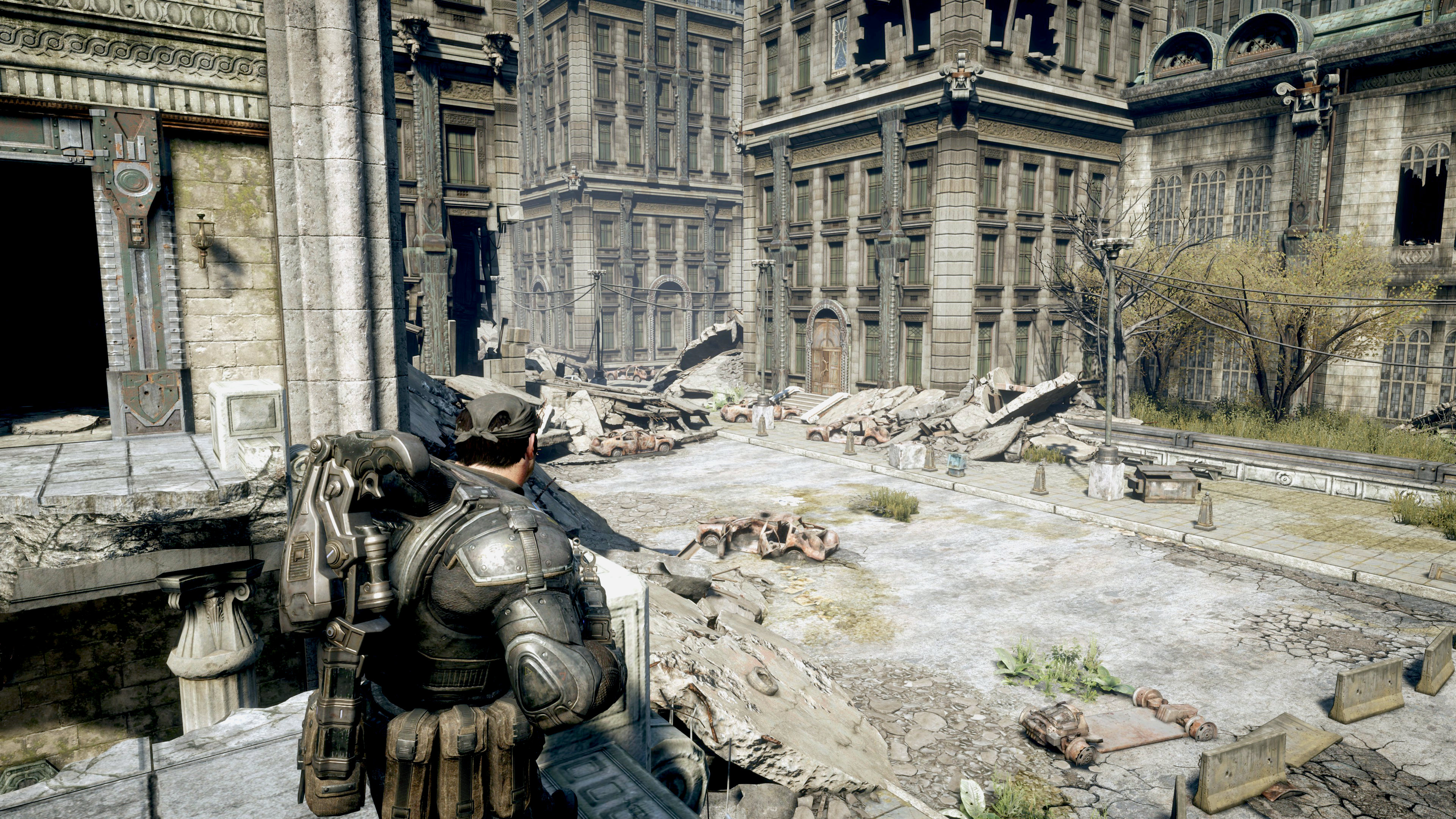
Gears of War: Reloaded | 1080p, Custom low quality, FSR Balanced | Asus ROG Ally
Enter stage left, Gears of War: Reloaded. Essentially a remaster of the 2016 Gears of War: Ultimate Edition, which itself was a remaster of the original game, Reloaded did actually run pretty well. Even on basic old gaming PCs using the Ultra quality preset, performance wasn’t really a problem. So why have we picked it for this list?
For what’s essentially an old game with slightly improved lighting, Gears of War: Reloaded has no business running as badly as it does on a handheld gaming PC. Even using a customised low quality preset and FSR Balanced upscaling, a consistent 60 fps was out of the question for an Asus ROG Ally.
A combination of quite a heavy CPU workload, along with poorly optimised outdoor scenes, will frequently produce sub-40 fps performance figures. With frame times all over the place, the game just isn’t enjoyable on a handheld.
We didn’t deep dive into the performance of every game released in 2025, but we saw enough to get a good overview of what the current state of play is like in game development. It’s probably fair to say that, for the most part, PC performance hasn’t been the utmost priority, and console-like frame rates have been the norm this year.
Whether the backlash that the likes of Borderlands 4 and Monster Hunter Wilds have received will be enough to change that for 2026, well, we’ll just have to wait and see. However, you can be sure that some games will still lean heavily on upscaling and frame generation to reach acceptable frame rates, and that ray tracing will wow and frustrate us in equal measure.
But if Kingdom Come: Deliverance 2 and Battlefield 6 can look and run great, then there’s hope that the next big releases will do so, too.


![Resident Evil Village [RUNE] + [Update v1.1.0.6] – MaxBit](https://i0.wp.com/gamepcfull.com/wp-content/uploads/2021/07/Resident-Evil-Village.jpg?w=100&resize=100,100&ssl=1 "Resident Evil Village [RUNE] + [Update v1.1.0.6] – MaxBit")