
There’s no denying that one of the best parts about replaying an RPG is getting stronger. Maybe this is also because it sort of mimics real life. There’s nothing quite like completing a task that used to take you hours in just 30 minutes after you’ve dedicated enough time to practicing. It’s also a good reminder that all those hours spent grinding weren’t all for nothing.
Unfortunately, not all RPGs are built around this philosophy. Some of them prefer to boost the enemies’ strength so much that players quickly start regretting having leveled up so fast. Although many players may find this funny, I’d say it’s a cruel joke from the developers, and it can actually be a source of great frustration.
Leveling Up Doesn’t Always Mean Getting Stronger
The Elder Scrolls 4: Oblivion is one of those open-world RPGs with a progression system that makes ordinary encounters surprisingly punishing. The problem comes mainly from the relationship between character levels and enemy scaling, because once you gain a level, most of the enemies become stronger as well. However, your combat effectiveness doesn’t necessarily improve at the same rate, so there’s often a misalignment.

Rearrange the covers into the correct US release order.
Rearrange the covers into the correct US release order.
Easy (5)Medium (7)Hard (10)
To make it clearer, imagine creating a character with skills such as Athletics and Speechcraft. By regularly running and persuading NPCs, you can make significant progress towards leveling up without actually improving your ability to survive in combat. I like to call that improving without improvement, which essentially means that the game will punish players who progress inefficiently. Even though I have never been a fan of this particular feature, I somehow always manage to forgive this game. I guess when you really love a title, you’re willing to let it get away with a lot.
The Last Remnant
Battle Rank Can Become Your Worst Enemy
-
 Image: GameRant via 11 Bit Studios
 -
-
 Image: GameRant via 11 Bit Studios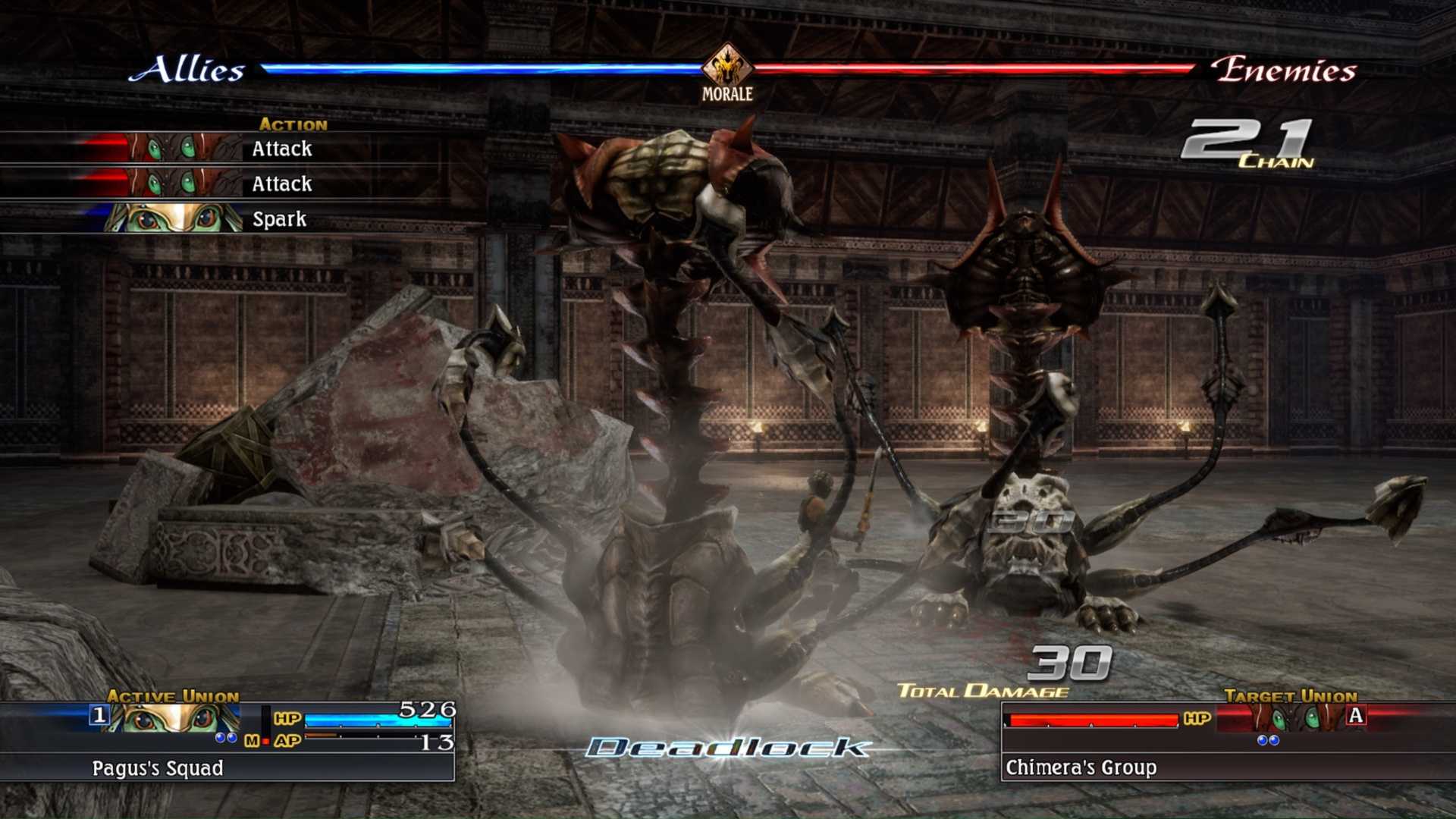
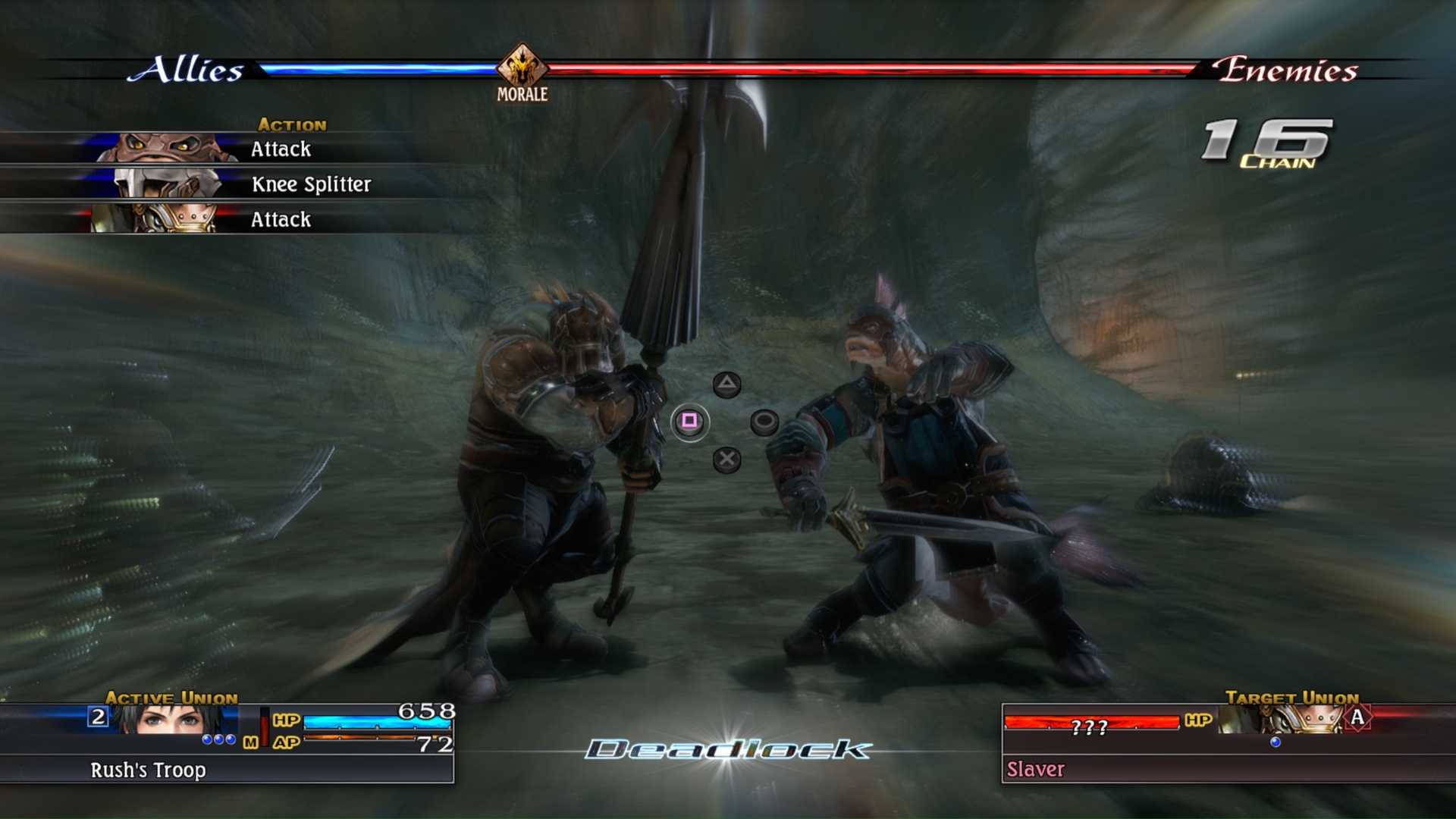
The Last Remnant has a very interesting Battle Rank system, which is used to measure combat progression instead of measuring character levels like most other RPGs do. As you participate in battles, you can expect your Battle Rank to increase. However, keep in mind that enemies will also become stronger alongside you. Although this might create some problems in the long run, it is not the only feature that will hold you back as you become stronger.
Battle Rank and individual character development aren’t the same thing at all. For example, if you consistently attack only weaker opponents, your Battle Rank will increase, but your character won’t be developed enough to handle the tougher enemies that follow. What makes things worse is that the game doesn’t properly explain this mechanic, so new players might have to go through a lot of trouble before they realize why they’re having so much trouble.

The Last Remnant
- Released
-
November 20, 2008
- ESRB
-
M For Blood, Language, Suggestive Themes, Violence
Wizardry 8
Even Familiar Roads Become More Dangerous
Wizardry 8 is a first-person, party-based RPG that features turn-based combat. Even though there are plenty of awesome customization features, progression is more complicated than most people expect, which I personally consider to be a drawback in most cases. Not only do enemies get stronger alongside you, but returning to a territory you’ve already completed doesn’t guarantee an easier experience either.
Arnika Road is a good example of why this is important. It is a connecting point between several locations early in the game and players must travel through it consistently. If you level up too aggressively, you’ll most likely cause the game to generate enemies along this route that you have no way of taking down.
SaGa Scarlet Grace: Ambitions
Battle Rank Makes Progression A Double-Edged Sword
-
Image via Square Enix
-
Image via Square Enix
-
Image via Square Enix
 Image via Square Enix
 Image via Square Enix
 Image via Square Enix
SaGa Scarlet Grace: Ambitions is similar to Wizardry 8 when it comes to its turn-based combat, but unlike traditional RPGs, this one places relatively little emphasis on freely exploring towns and settlements. Yes, you still explore the map and discover new locations, but most of the time, the way you interact with them will be through menus and events. Although this is an interesting feature worth mentioning, what’s really going to influence the way you experience the game is the hidden Battle Rank system that denotes enemy strength.
The rate of enemy progression depends on the battles being completed, but generally, repeated encounters will produce less Battle Rank growth. This means that if you try to increase your Battle Rank quickly by repeating encounters, you’ll soon discover that enemies are getting dangerous extremely quickly, and you simply don’t have the skills, health, or equipment necessary to defeat them.
Battle Brothers
Leveling Up Your Mercenaries Raises The Stakes
Battle Brothers is a tactical RPG set in a medieval fantasy world in which players command a mercenary company. However, the stronger said mercenary company becomes, the more difficult enemy encounters become to match. In this case, the game takes the player’s roster into account when it scales its difficulty, so recruiting stronger mercenaries naturally results in more difficult encounters.
This quickly becomes a problem when the company grows in level but doesn’t acquire strong enough equipment. However, unlike many other games, here we also have independent enemy locations that scale with time and distance from civilization, so not all enemies will suddenly become extremely hard to defeat.


