From esoteric movies to TV series with varying degrees of success, the Ghost in the Shell manga has seen a wide range of screen-based iterations. Few of them, however, have managed to adapt the original source material with the cybernetic precision that so many of us GitS fans desire.
By this point, Ghost in the Shell: Stand Alone Complex and Ghost in the Shell: Stand Alone Complex 2nd GIG have come the closest to a faithful anime TV series adaptation of the manga. With that said, other adaptations aren’t necessarily lacking charm, as there is plenty of room for new takes on how one of the coolest anime girls traverses her cyberpunk world. These are some of the key differences between Masamune Shirow’s manga and the various Ghost in the Shell anime movie and TV series adaptations that many hold so dear.
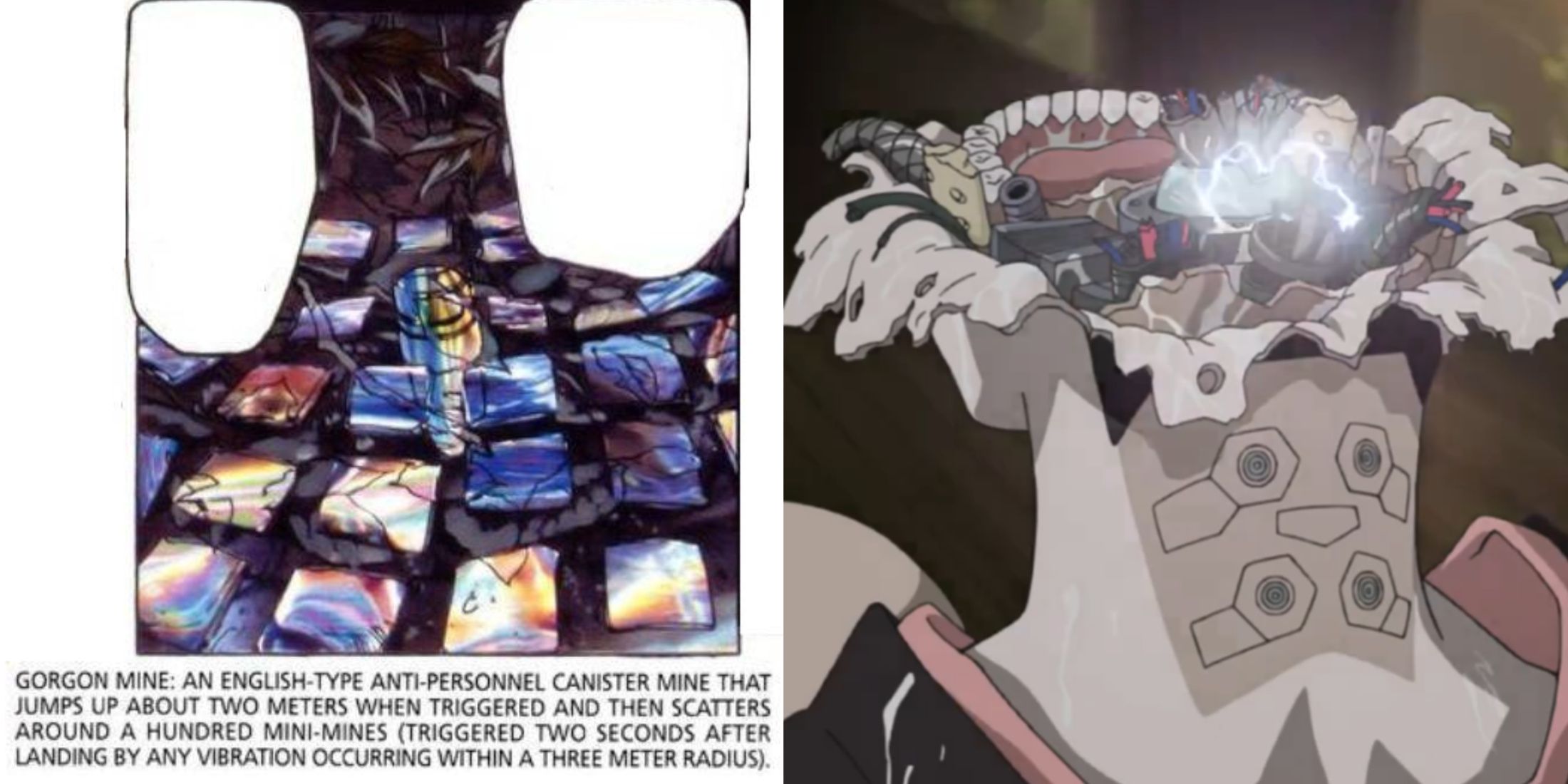
In the manga series, Shirow leaves no stone unturned when it comes to the many world-building aspects of Ghost in the Shell. He provides extensive explanations for the cyberware that defines so much of the Ghost in the Shell reality. In addition to his in-depth explanations, a number of detailed diagrams regarding the types of tech and the digital concepts of the cyborg-ridden world are also clearly included.
Many fans find the encyclopedia-level breakdown of certain pages both informative and amusing. It can be enjoyable to see how Shirow’s mind must have worked while writing his magnum opus. In the anime adaptations, however, especially in Mamoru Oshii’s movies, such extensive notes etch themselves into some of the best anime ever made by living on as visual aids. Instead of a written monologue about the intricacies of making a cyborg, for instance, fans can delight in a beautiful frame-by-frame animation of the entire process at work.
Cybernetic Reality and Spirituality Collide More in the Anime
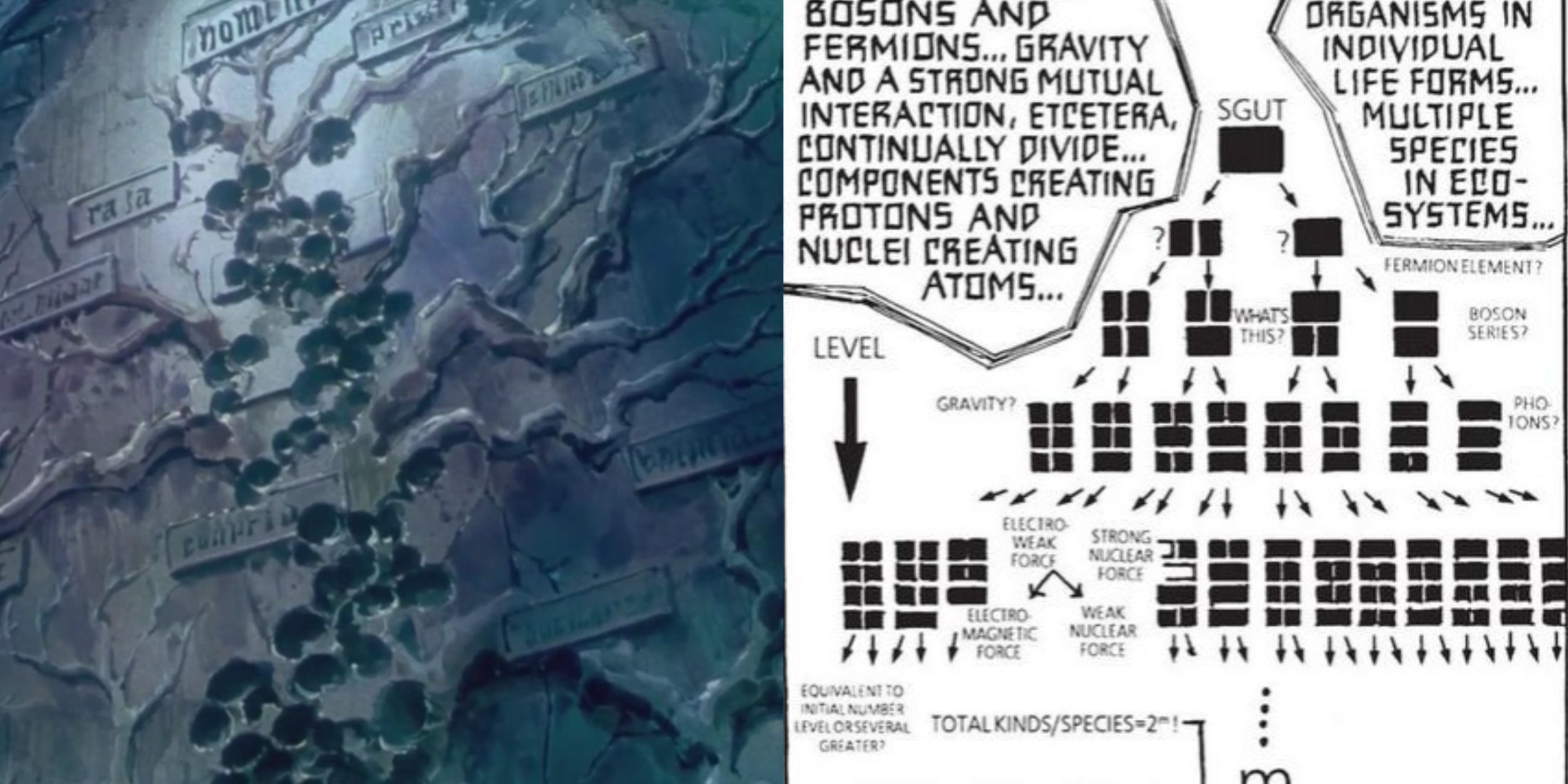
In terms of philosophical depth, the anime adaptations have a more thorough feel to them than the manga. In fact, the Ghost in the Shell anime movies and series draw heavily on the works of such thinkers as Plato, Arthur Koestler, and Donna Haraway to drive the plot and give characters greater depth.
Many of the Ghost in the Shell anime series immerse fans in existential contradictions between what it takes to battle the underside of cyberization in the GitS world and what it means to stay human. When it comes to the manga, Shirow does explore certain philosophical topics. The overall focus, though, seems to remain on cyberpolitics, technological prospects, and how it all interacts with a futuristic bureaucratic system.
The Manga Stays in the Fast Lane of Cybernetics
As far as pacing goes, the manga errs on the dynamic side and builds the GitS world at fiber-optic speed. Unlike the Ghost in the Shell anime series, for example, which focuses on one main mission arc for an entire season, the manga gives fans the rush of jumping from mission to mission in an episodic fashion. Across the 21 chapters that make up the original manga and its two sequels, each chapter has the feel of an individual case.
In the anime adaptations, the pacing is much slower by design. The GitS anime movies focus on visuals, such as the parade scene in Ghost in the Shell 2: Innocence or the cyborg-making scene in the first Ghost in the Shell film. In turn, the pacing in the most successful cyberpunk anime series in existence has a smooth flow, with both SAC and 2nd GIG being rich in emotional moments, food for thought, and combat scenes full of accurate ballistics.
Multiple Storylines From the Manga Converge in the Anime
On the one hand, the manga treats each chapter as an individual mission that builds up to the ending, and fans get something closer to “a day in the life of” Section 9 as a result. To illustrate, Chapter 7 “Phantom Fund” covers currency manipulation and offshore accounts in relation to a cybercrime investigation, and Chapters 3, 9, 10, and 11 center on the missions that underpin the Puppet Master Arc.
On the other hand, the screen-based Ghost in the Shell iterations rely on individual chunks from the manga to tell an overarching story. As a case in point, Chapter 6 “Robot Rondo,” with the murderous gynoids, becomes the core of Ghost in the Shell 2: Innocence. In the case of Ghost in the Shell: Stand Alone Complex, the Laughing Man Arc and the Individual Eleven Arc are alternate timelines altogether. This GitS anime series uses a few of the chapters to flesh out certain episodes, namely Chapter 2 “Iron Vice,” which serves as the secondary storyline in Episode 2 “Testation.”
The Net of Endings Remains Vast and Infinite
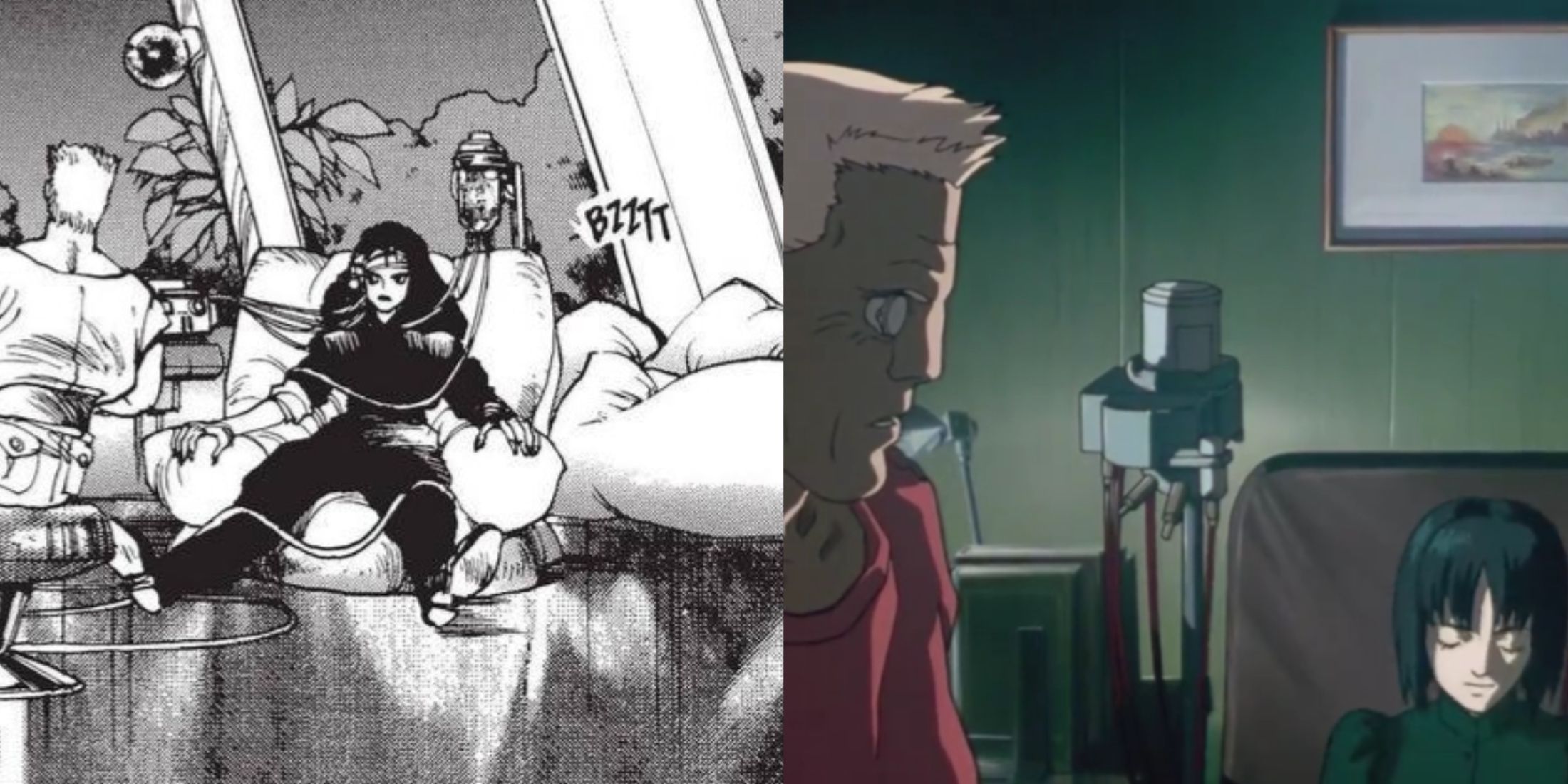
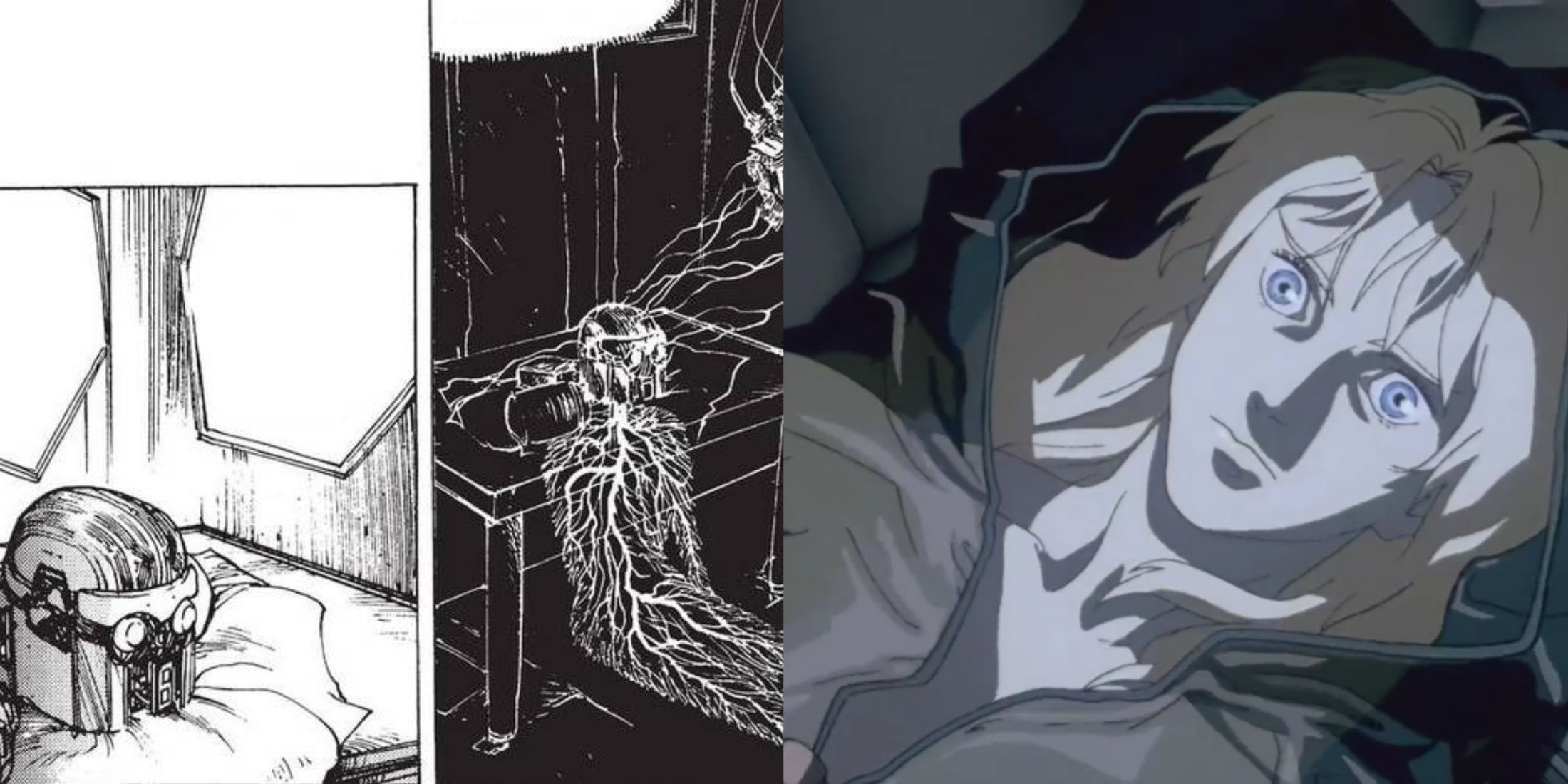
According to the manga, Major Motoko Kusanagi ends up meshing herself with the Puppet Master and jumping into a new cybernetic body. She then gets to continue her life as a functioning operative.
In contrast, the GitS anime adaptations guide the Major toward entirely different endings, depending on the alternate timeline. In the 1995 Ghost in the Shell film, the Major merges with the Puppet Master as well. The Major then, however, goes on to live in the Net, and Batou downloads a portion of her ghost into a child cyborg body. In a similar vein, the Ghost in the Shell series gives the Major a tasteful ending of its own too. After faking her own death in SAC, the Major makes a comeback in 2nd GIG, as a free agent who resigns from Section 9.
Cybermind Comedy Is a Gem the Manga Hacks Right Into
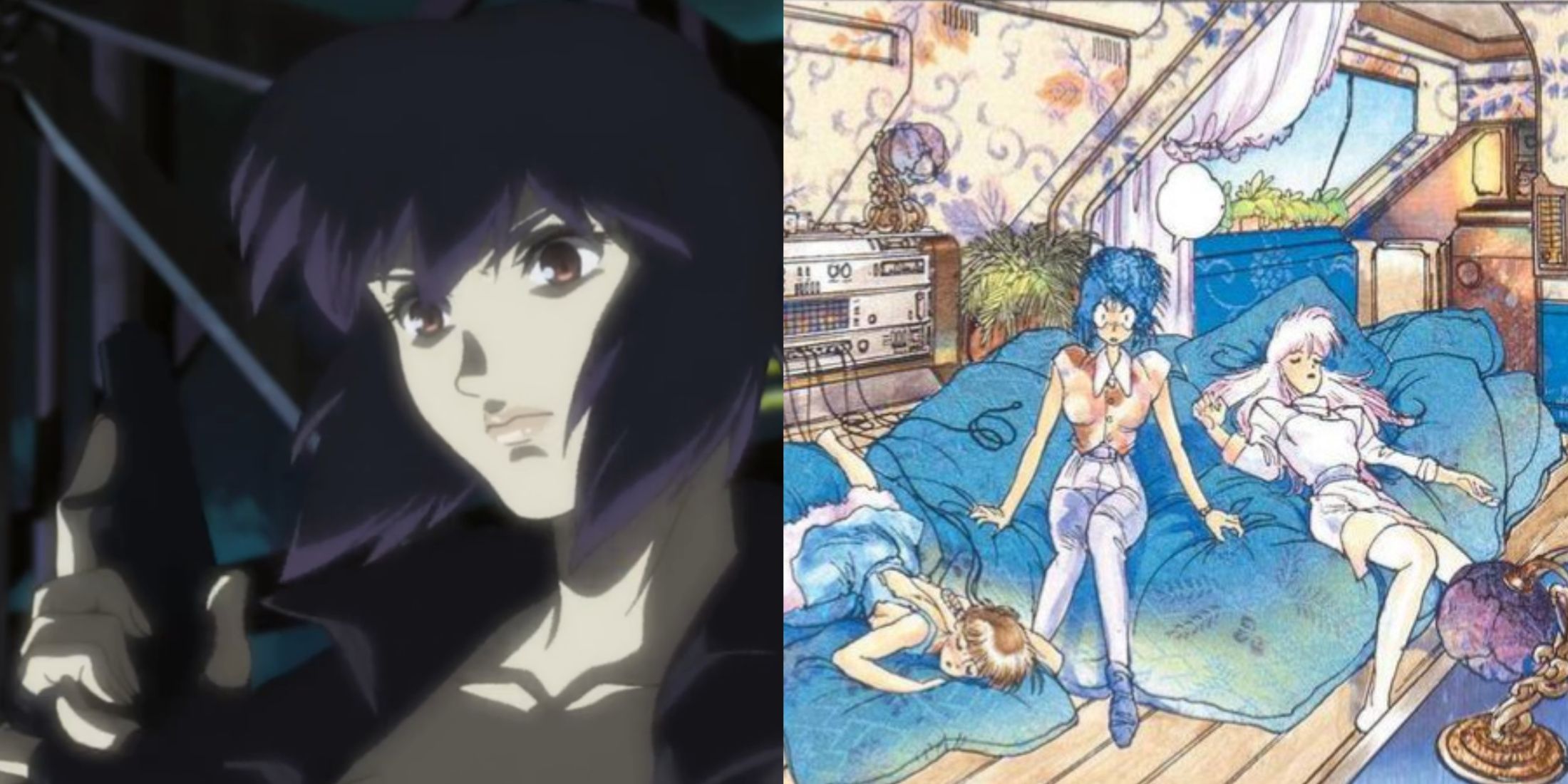
Oshii’s Ghost in the Shell movies subtract comedy in favor of weaving a dense conceptual layer into those melancholic cyberpunk montages. In turn, the GitS anime TV series adds some comedy but still keeps the spotlight on the philosophical substance in action and character exploration scenes.
The manga abounds in funny tropes and stays true to its satirical roots despite touching on the gloomy subjects of futuristic technology and bureaucracy. Besides ample chibi-grade shenanigans throughout the manga, Shirow also breaks the fourth wall here and there. He peppers the manga with hilarity as characters interact with the reader in comedic ways while letting their emotions breathe.
The AI Spider Tank Evolution Adds Depth to the Anime
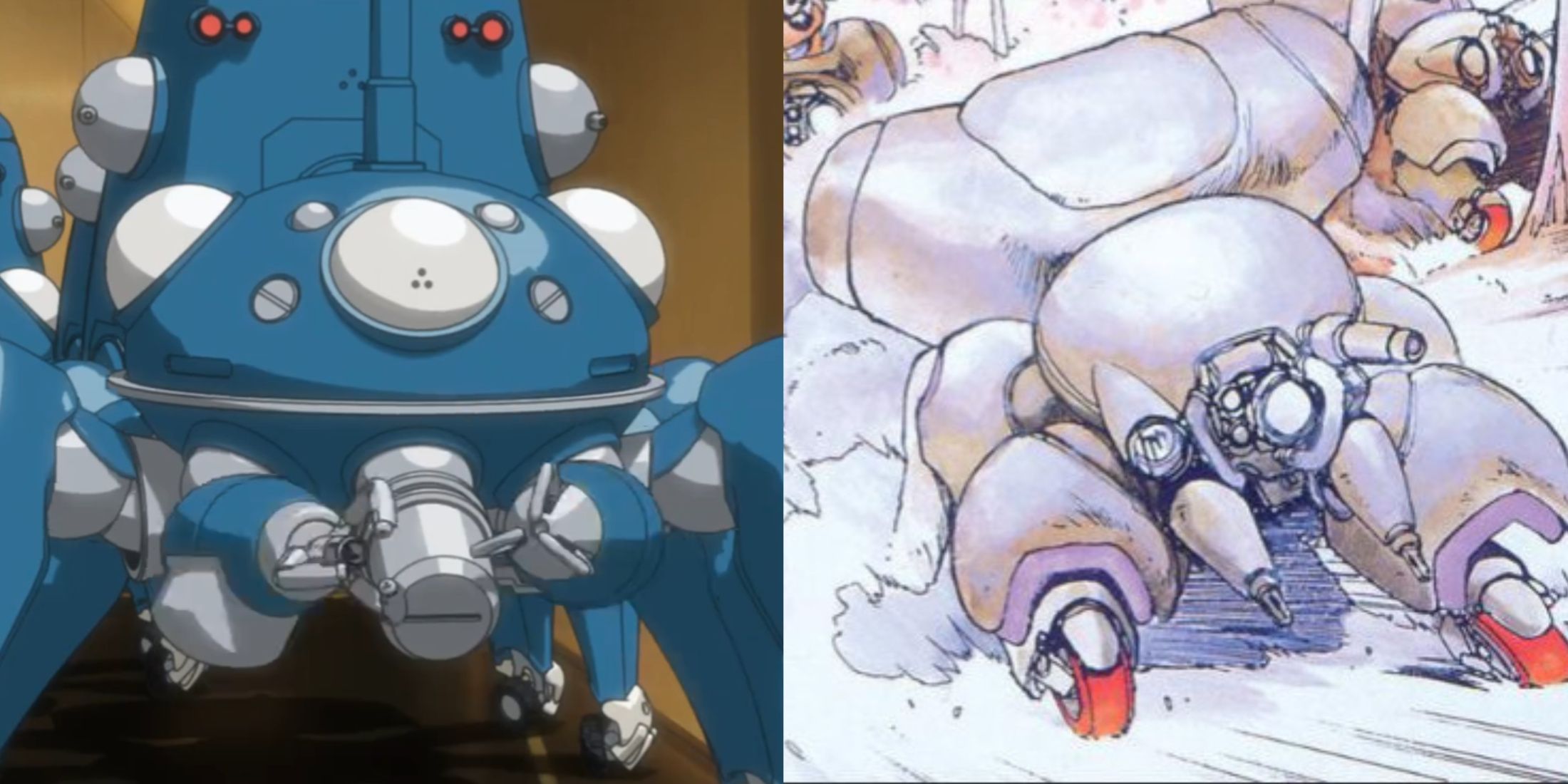
Fuchikomas and Tachikomas are there to bring fans comedic relief each time they sink into the grid of the Ghost in the Shell world. While both share an adorable spider-like appearance, the AI tanks in the manga are quite different from their anime counterparts. Fuchikomas come with a more compact build that features just one optical sensor, typically red in color, and an integrated cockpit.
Tachikomas make for a reinvented version of their manga predecessors. These newly devised robotic tanks have better AI, more optical sensors, and a segmented rear-mounted cockpit, with their larger bodies typically being blue. What sets them apart the most, though, is their growing individuality, a theme that the GitS series dives into.
While Fuchikomas act within the bounds of their programming, never straying beyond the role of a military tool and not opposing their synchronized hive mind, Tachikomas evolve to be outliers in the microcosm of AI robots. As the ebbs and flows of their individuation add philosophical depth and situational hilarity alike, the thematic thread of their emerging consciousness builds up to a tear-jerking finale of self-sacrifice.
Section 9 Stays Much Grittier in the Manga
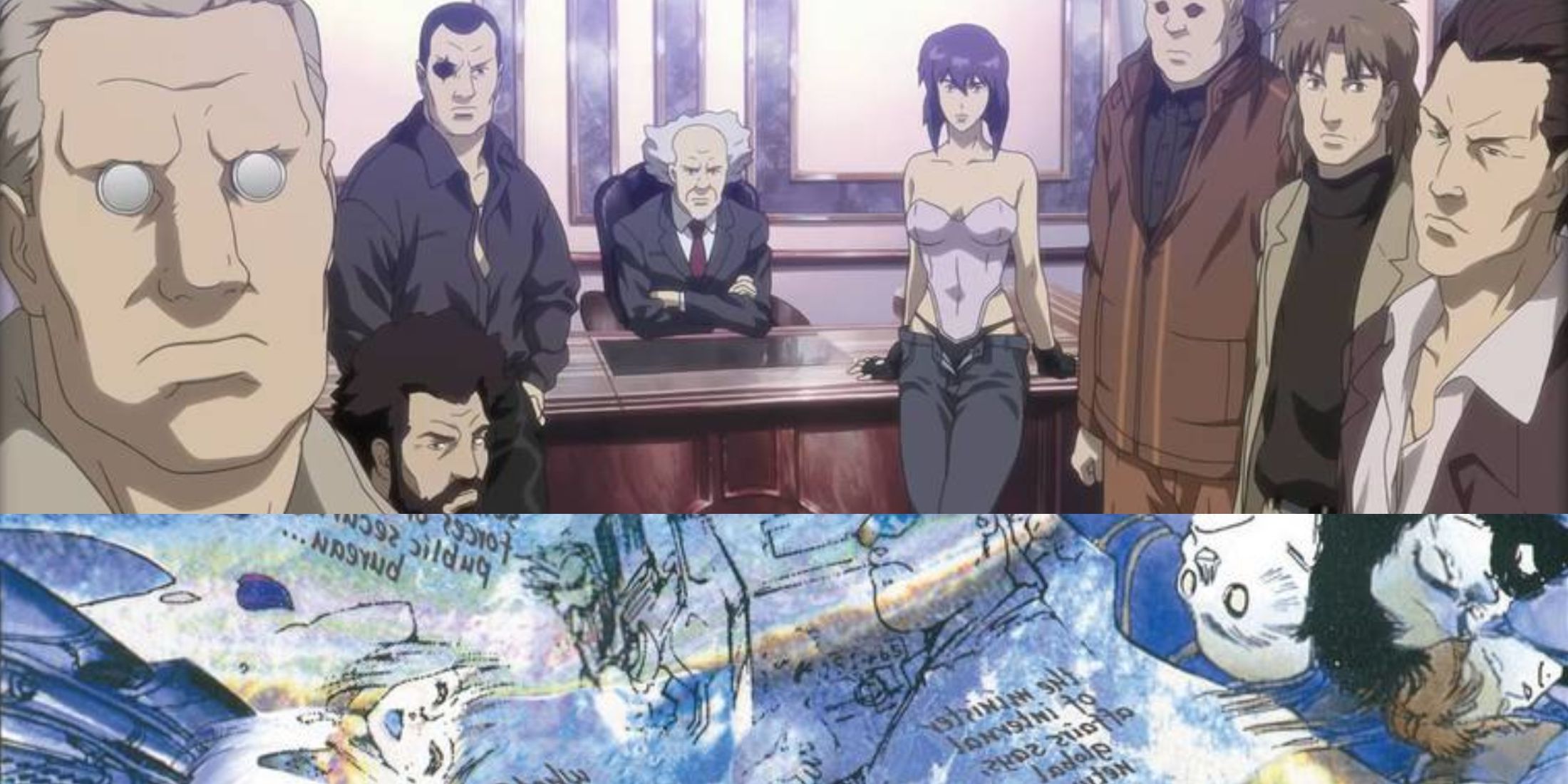
In the Ghost in the Shell anime series and movies, Section 9 operates as an official counterterrorist unit under the Ministry of Home Affairs. As an elite force, they are naturally blessed with their fair share of perks, such as a generous state-funded budget and state-of-the-art military equipment. Depicted with a stronger sense of duty and a stricter chain of command, the anime version of GitS Section 9 finds itself caught up in global warfare and geopolitical incidents all too often.
In the manga series, though, Section 9 operates as a morally ambiguous black ops unit with abysmal funding. Their chain of command resembles a band of mercenaries with Motoko Kusanagi as their leader and Aramaki as their shady government handler. To make ends meet for the unit, the Major and others don’t shy away from taking on illegal hacking jobs and other underground gigs. Dealing only with domestic issues, the manga version of Section 9 tackles local government assassination, corruption, and corporate espionage cases.

- Release Date
-
July 7, 2026
- Network
-
Fuji TV, Kansai TV, Tokai Television Broadcasting, Fukui TV, Hokkaido Cultural Broadcasting, Iwate Menkoi Television, Sendai Television, SAGA TV, TNC, OHK, Ishikawa TV, Kochi Sun Sun Broadcasting, TV Shizuoka, Television Shin Hiroshima System, NST, NBS, Sakuranbo TV, TSK, Ehime Broadcasting, KTS, Fukushima TV, AKT, Toyama Television, TV Kumamoto, Okinawa Television Broadcasting, KTN
- Directors
-
Mokochan, Lucien Dodge, Touma Kimura
Cast
-

Maaya Sakamoto
Motoko Kusanagi (voice)
-
Hiroki Yasumoto
Batou (voice)
-
Yuichi Nakamura
Togusa (voice)
-
Kazuhiro Yamaji
Daisuke Aramaki (voice)