
Objectivity is very difficult in video game discourse. With reviews, for instance, the tastes of the reviewer will inevitably be a factor to some extent, and this is why both critical and player average scores are necessary to create a wider picture of a game’s general quality. No game can ever be universally beloved, but these particular RPGs are regarded as genre masterpieces regardless of your stance on that genre.
From the biggest AAA classics to the smallest indie releases, these fantastic titles are some of the most celebrated RPGs ever.
Scratch & Peek

Identify the cover art while scratching off as little foil as
possible.
7
Disco Elysium
A Transcendent Murder Mystery
Generally speaking, it’s a title’s battle system that draws me to an RPG more than anything else. I’m not afraid of a lengthy grind, but if those systems are too repetitive, it can put a real damper on my enjoyment. Disco Elysium, as a result, was a game that I wasn’t expecting to appreciate nearly as much as I did. With my objectivity hat on, though, I developed a new respect for the things that the game does so very, very well.
From the less-than-unique initial setup of a detective with amnesia, the story steadily opens up to reveal a world of depth and intrigue that has stunned players. It’s not just clever or engaging writing, but writing that explores different philosophical perspectives and frameworks and what happens when those perspectives clash between characters. The game’s complex Thoughts system means that choices you make in a skill tree literally shape the personality of Harry Du Bois, and so the interactions he has with the residents of Martinaise.
In some RPGs, dialogue choices and sidequests are interesting enough and worth exploring, but don’t really have sufficient impact to truly change things in another playthrough. Here, the experience is truly different depending on how you build Harry and the way he approaches problems. Personally, embracing Inland Empire and the Horrific Necktie made my first play through the game one of the most fascinating experiences I’ve ever had with an RPG, as though Venom itself were talking to me throughout. It’s a thought-provoking masterpiece that doesn’t outstay its welcome and isn’t intimidatingly long to finish. It’s no surprise, then, that so-called Disco-likes are on the rise in response.
6
Final Fantasy 9
New Heights for the Series at the Turn of the New Millennium
Final Fantasy 9 was the last mainline entry for the original PlayStation, and carried forward some of the most important qualities from the last two entries on the system. An epic story is a given, of course, as are characters that truly grow and evolve over the course of the lengthy adventure. Traversing its great, wide world isn’t a chore, but an opportunity to explore wildly varied towns and dungeons and meet a huge cast of colorful characters.
As a late-PS1 era title, it looked fantastic, and sounded even better thanks to its sumptuous soundtrack. Each locale, from Qu’s Marsh to Pandemonium, sounds completely and utterly distinct, and every single track is so varied and fitting. With no voice acting, the music is the primary way of conveying emotion, and along with the character animations and great writing and localization, it does so very well.
Today, Final Fantasy 9‘s slower-paced, turn-based combat will seem jarring to those more familiar with the action RPGs of the recent series. For classic JRPG fans, however, there are few titles as acclaimed, accomplished, and charming as this one. From unique minigames like frog catching to its touching story setpieces, it’s memorable and deeply emotional from start to finish.
5
Baldur’s Gate 3
An All-Timer Of A CRPG
With a lot of RPGs, the experience is so long that, however much you enjoy it, it can be difficult to return (at least for some time). According to How Long To Beat, Baldur’s Gate 3 requires around 73 hours just to complete its story, and 181 hours or so for a completionist run. It’s one of the most intimidating recent prospects in the genre, and yet a lot of fans were eager to jump right back in on finishing the story. That’s the game’s greatest strength: Player choice is such an enormous factor. From romance options to character builds (race, abilities, alignments, and more), each narrative choice is consequential, potentially taking you through completely different areas and changing the outcome of your quest entirely.
As in a Dungeons & Dragons quest, factors like morality, the chance RNG of dice rolls, and distinctly unconventional approaches to combat encounters are also a big part. This is also reflected in the game, with a deep combat system that allows for overwhelming melee force, well-aimed magic from range, or sneakier, more underhanded tactics.
Baldur’s Gate 3 is one of those titles that can have players building up a backlog of different save files, as they begin the game afresh to try out a different type of run. It has excellent and varied side content to supplement its gripping and emotional main story, as well as a cast of characters you’re sure to love, hate, and be fascinated by.
4
Bloodborne
Dark, Brutal, Unforgettable
FromSoftware has effectively mastered the art of creating mysterious, eerie, extremely dangerous game worlds. From Lothric to The Lands Between and Yharnam, these are some of the most grim and fascinating settings in the genre, and the fact that lore insights must be actively sought out by the player makes them all the more intriguing. Bloodborne‘s exploration of the nature of Yharnam, the Hunter’s Dream, the beast scourge and the Great Ones could be Soulsborne’s most gripping narrative, and its atmosphere is unlike anything else.
The game also took a bold new direction with its combat. Swift dodges, aggression, and counter-attacking are the Hunters’ creed, a brutal and unrelenting fighting style that’s reflected in the game’s variety of Trick Weapons. The central gimmick is that each weapon has an alternative form it can switch between, even potentially mid-combo. Sometimes, this offers a projectile attack or more range, potentially completely changing how it’s used (even in terms of its stat scaling).
The difficult balance was to add something new to the Dark Souls formula without deviating too far from it, and Bloodborne was an enormous success there. A decade after its release, there’s still a huge outcry for a remaster and/or a sequel, and that, along with a wealth of gushing reviews, speaks volumes about this spiritual successor.
3
Undertale
One of the Genre’s Biggest Indie Sensations
It’s always great to see an indie game truly take off, and even more so when that game was created primarily by a single person. What Toby Fox created with Undertale wasn’t just a deep, intriguing and affecting RPG, but a pop culture heavyweight and indie success story as significant as Stardew Valley.
RPGs give players a range of potential decisions to make, characters to meet, and routes to take, but this masterpiece ensures that each really does make a difference. A given playthrough may not typically vary as much as in the case of, say, Disco Elysium, but it certainly can if you push it to extremes. I always revel in the challenge of a pacifist run in a game that gives the option, for instance, and it was incredible in Undertale. Because it’s a less lengthy experience than a lot of RPGs, this title was able to focus more on a smaller cast of key characters, allowing us to form real bonds with them and, as with the first time I attempted the opposite of a pacifist run, feel absolutely awful about harming them.
From the outside looking in, Undertale is difficult to make sense of. It embraces lots of different gameplay styles and intriguing themes, but it’s not simply odd and quirky for the sake of being so. All of its disparate parts, such as its high-octane battles and its unique characters, have become inextricable parts of its identity and are pulled off very well. Even more than that, with the continued success of Deltarune, Toby Fox has demonstrated that it wasn’t a fluke. You don’t strictly need to have played one before the other, incidentally.
2
Chrono Trigger
A Timeless Adventure
Though it would be impossible to choose a single ‘best RPG ever’ that would satisfy all genre fans, there are some titles that will always be in the conversation. One of them is Chrono Trigger, a 1995 SNES classic from Square (as the Japanese giant was then known). This is the story of Crono and his band of companions, who find themselves inadvertently meddling with the history of their world and, in doing so, essentially dooming it. The only response, as the sci-fi genre often tells us, is to jump back into time portals and fix the future from the past.
It’s the sort of setup that could become a confusing mess if mishandled, but the plot is a highlight for many Chrono Trigger fans for just how engrossing it is. Changes of time period are significant enough to be much more than a gimmick, and they’re tied into the tale and the action in a way that’s both effective and easy to follow. At the same time, choices made can still have a big impact, to the extent that it’s possible to effectively have the main villain join the player’s party.
The plot is one critical element of Chrono Trigger, but there’s much more to it than that. Square made a concerted effort to ensure that the battles were dynamic, and doing so meant providing a wide range of skills not only for each individual party member, but allowing them to combine them in different techniques. This aspect has always reminded me of the team-up attacks from the Mario & Luigi RPGs, ensuring that the battles are as colorful and varied as the NPCs you’ll encounter and the different environments you’ll work your way through. There’s a good reason (several of them in fact) why this is such a respected classic.
1
Elden Ring
A Modern Masterpiece
-
 Image via Game Rant; Source: FromSoftware Inc
 -

-

 Image via Game Rant; Source: FromSoftware Inc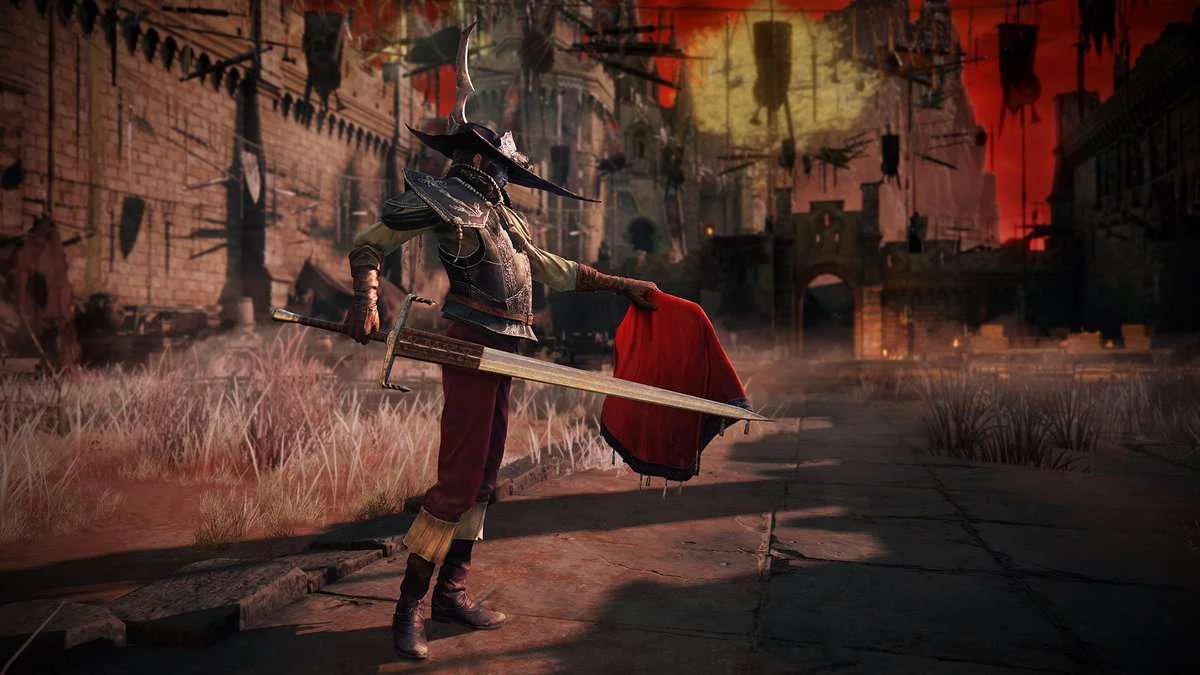
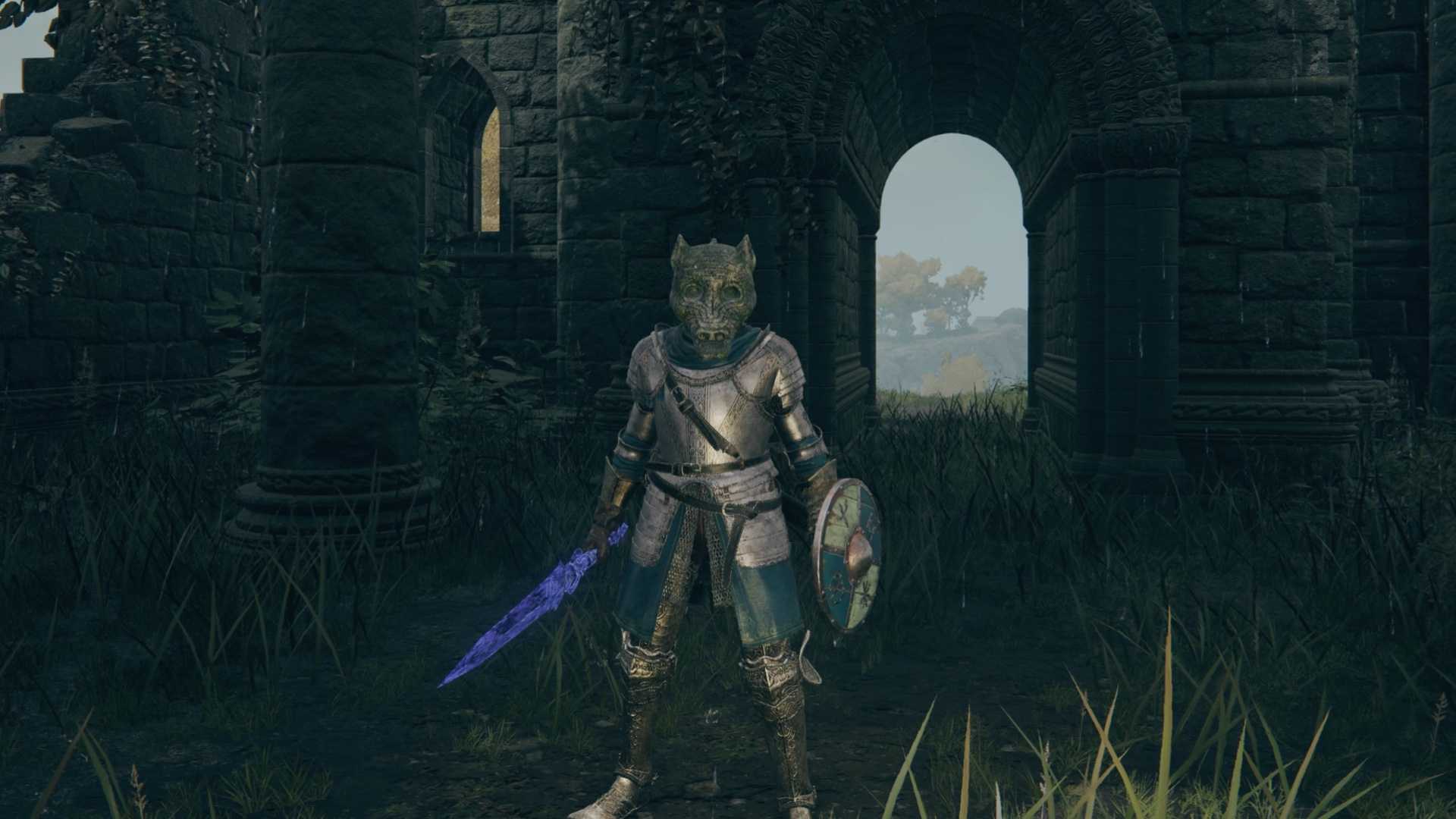
FromSoftware’s magnum opus, Elden Ring took such a successful step into the open-world realm that it’s difficult to see how the developer will surpass it. Open-world adventuring was always going to be a good fit for Soulsborne’s signature exploratory worldbuilding, and the lack of huge glowing objective markers and innumerable map icons provides a unique way of going about it.
The developer has been honing its challenging, varied combat and devious boss/enemy designs since the days of the original Demon’s Souls. The important thing was for Elden Ring to take all those characteristic elements and improve upon them, as well as increasing the scope and scale of the world itself. The addition of Torrent as a faithful friend to help you explore was an important part of this, for that Link and Epona feel. Combat-wise, there’s an enormous variety of different weapons and arts to use, and the fact that you can swap them around to an extent means that there are much fewer limitations on character builds than there have previously been. As someone who wanted to build for Bloodtinge and Strength in Bloodborne (Elden Ring offers a fantastic array of Strength weapons too) and found that didn’t fit much other than the Bloodletter, I appreciated this.
To date, Elden Ring could be considered the ultimate Soulsborne experience. This vast world is well crafted indeed, neither being packed with countless generic open-world collectibles nor barren. These are pitfalls many such titles fall into. With an engrossing story full of rich lore for players to seek out, as always, this is quite the epic.


